Editor’s Note: This video/post was originally recorded and released in January 2024. While the context is specific to that time, the technical principles remain the "gold standard" for the platform.
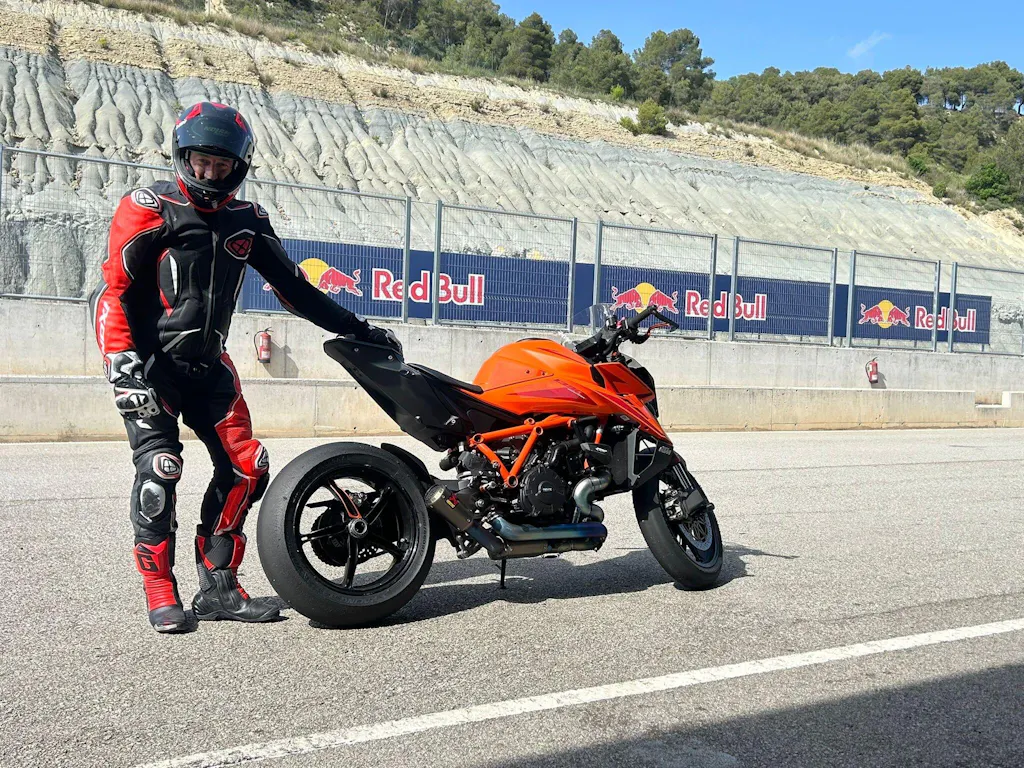
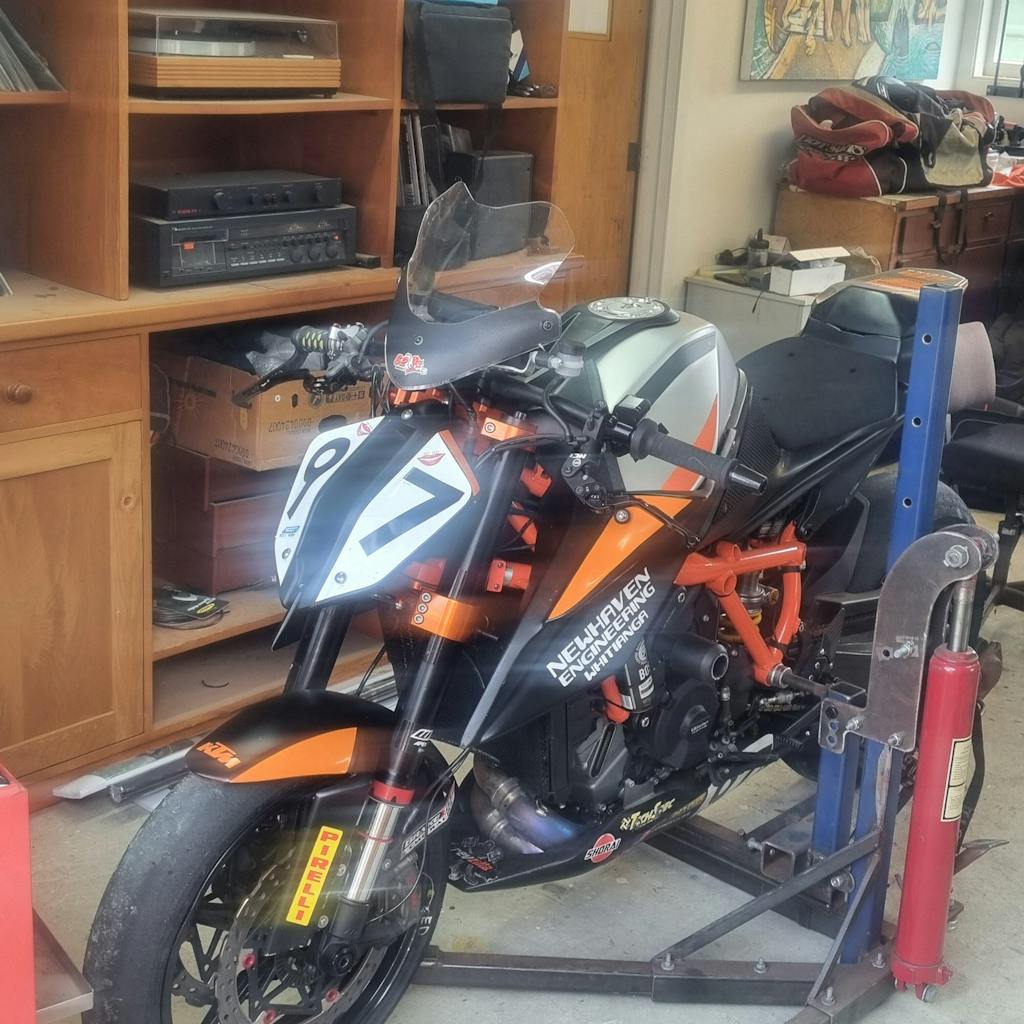
A year ago at Laguna Seca, I had an experience on my KTM Super Duke that changed my riding forever. If you’ve spent any time on a 1290 or 1390, you know the feeling: the bike is a torque monster. It’s epic, it’s powerful, and it’s a handful. But I found myself struggling at the final round of the AFM season. Coming out of Turn 11—Casey Stoner’s favorite turn in America—the bike was a nightmare. I was wheelieing, bucking, weaving, and spinning. It felt fast because it was violent, but the stopwatch was telling a different story.
Then, I found myself behind Jason Uribe. For those who don't know Jason, he’s a former AFM number one plate holder who has raced Moto2 in Spain and World Superbike. As I tipped into Turn 11 behind him, I expected to see what you usually see with fast guys: a big, fat, dark black line from the rear tire spinning and driving out.
Instead, I saw something from another planet.
It was the tiniest, thinnest black line—like the eyelashes painted on a China doll. It started way before the apex and gradually, almost imperceptibly, got wider. His bike was subtly out of line, drifting through the apex with a smoothness that looked like butter. He wasn't fighting the bike; he was guiding it. By the time we hit the straightaway, he didn't just pull away because of horsepower—he left me for dead because of his technique.
The Physics of Flow: String Theory
When we sat down with Jason in his garage afterward, he opened up the playbook. The core of his "wizardry" comes down to a concept often used in car racing called String Theory.
Imagine a string tied to your big toe and the other end tied to your throttle. If you have the bike turned full over and you whack the throttle open, you snap the string. Everything goes wrong. To go fast, we have to manage that balance.
On a high-torque machine like the Super Duke, our instinct is to "manhandle" the bike—to stop abruptly, square it off, and fire it out. But we’ve found that 70% of the time, you are faster when you stop fighting the bike and let it flow. This means being 70% finished with your corner before you even think about aggressive throttle. You want to see your exit, get the bike pointed, and then crack the throttle just 1% to 3%.
That tiny initial input isn't about speed yet; it’s about settling the chassis. It initiates forward momentum and gets the bike off the very edge of the tire so you can start the real drive.
Getting the Direction: The Role of the SuperClamp
To use the technique we learned from Jason, you have to get the bike pointed early. If you haven't finished your turn, you can't start that 1-3% throttle roll-on without running wide. This is exactly why we developed the SuperClamp.
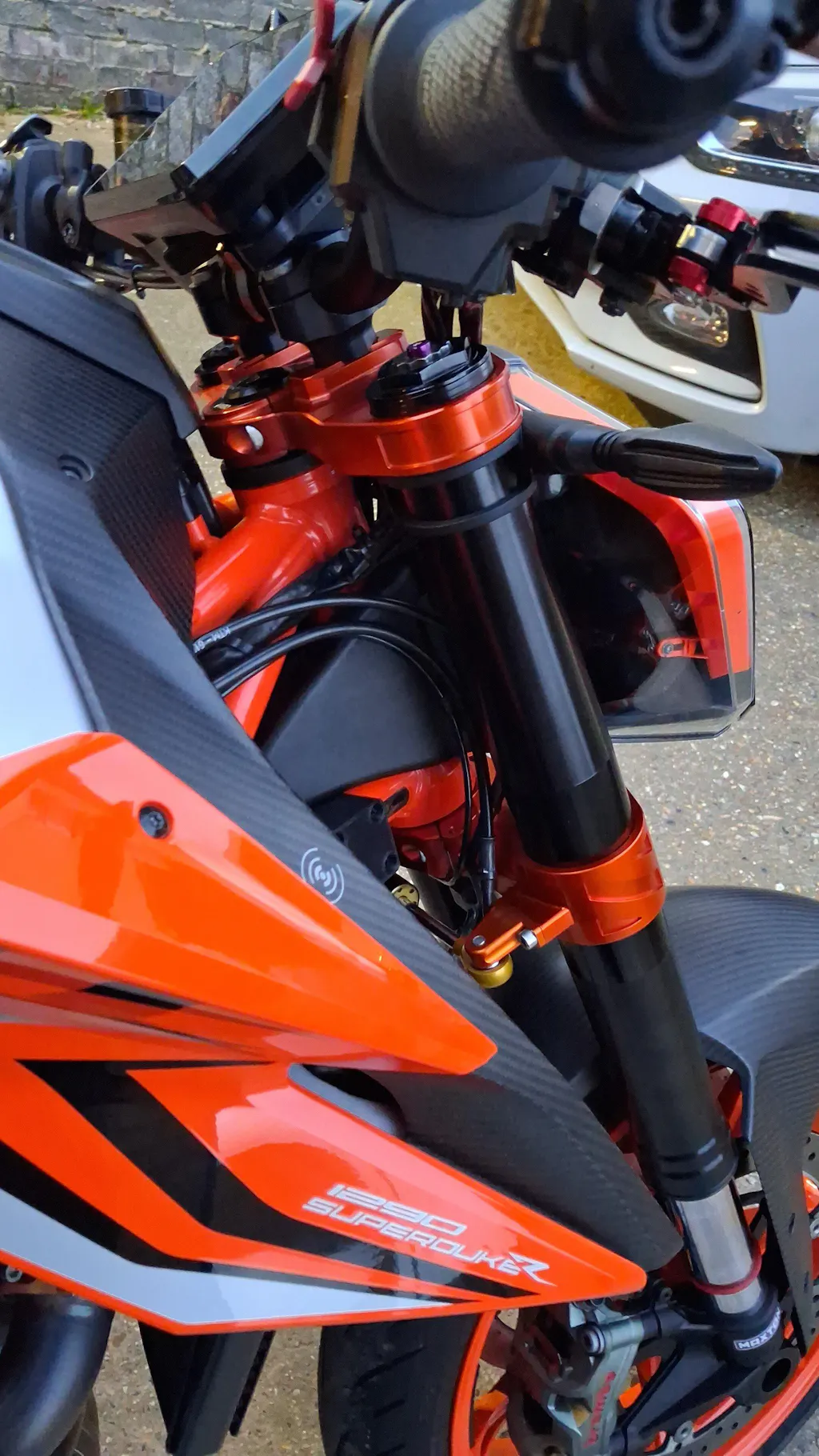
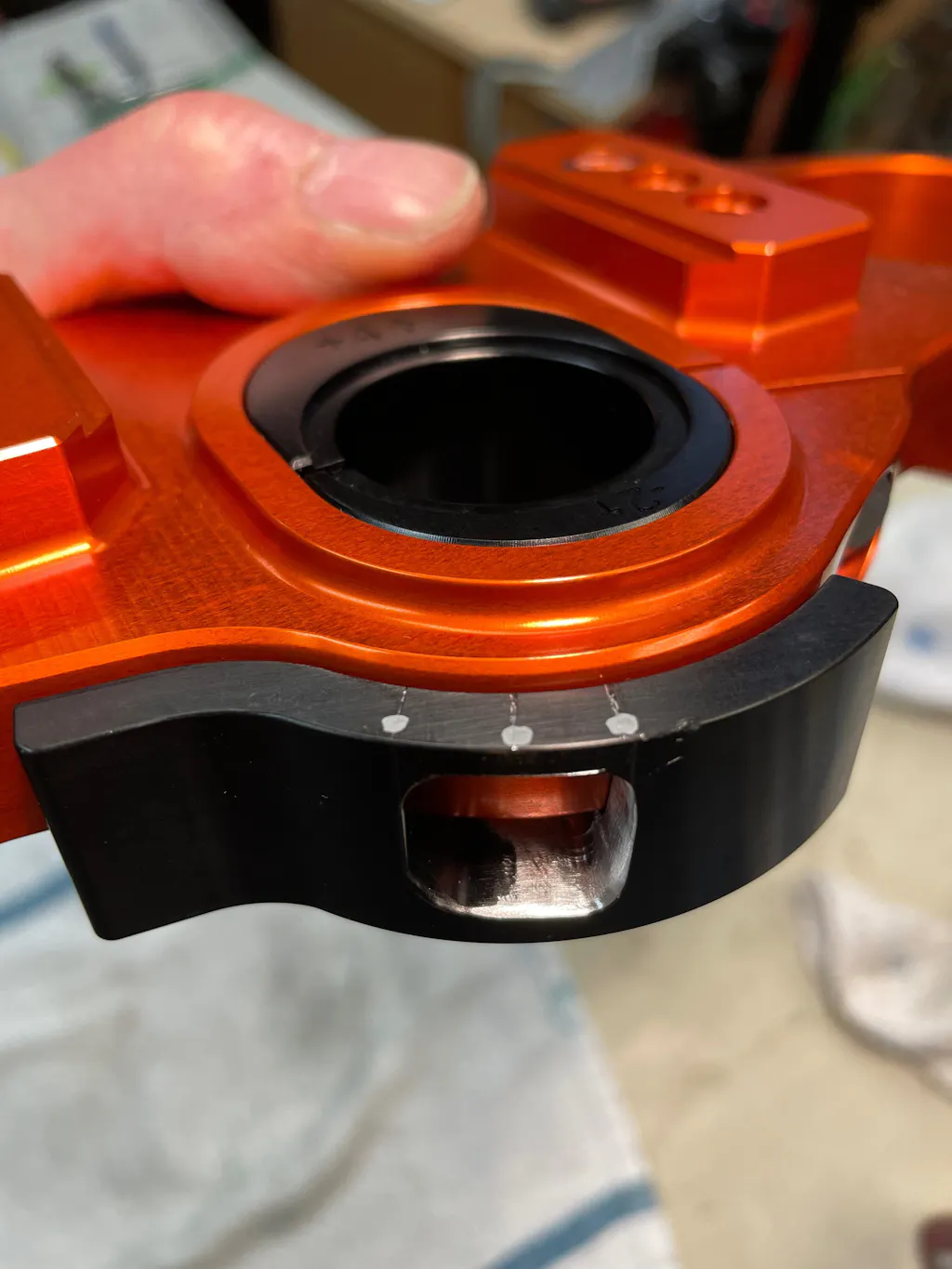
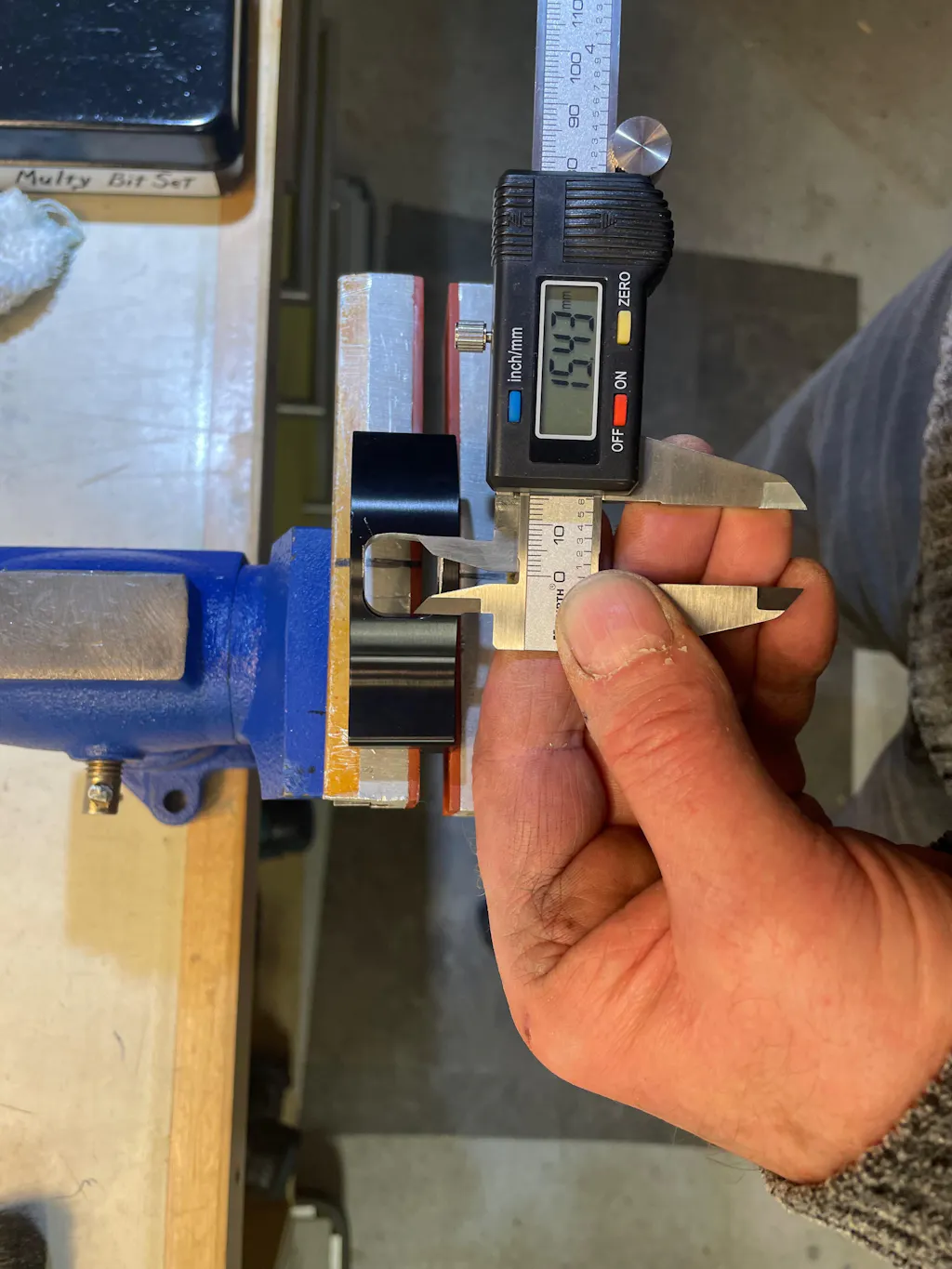
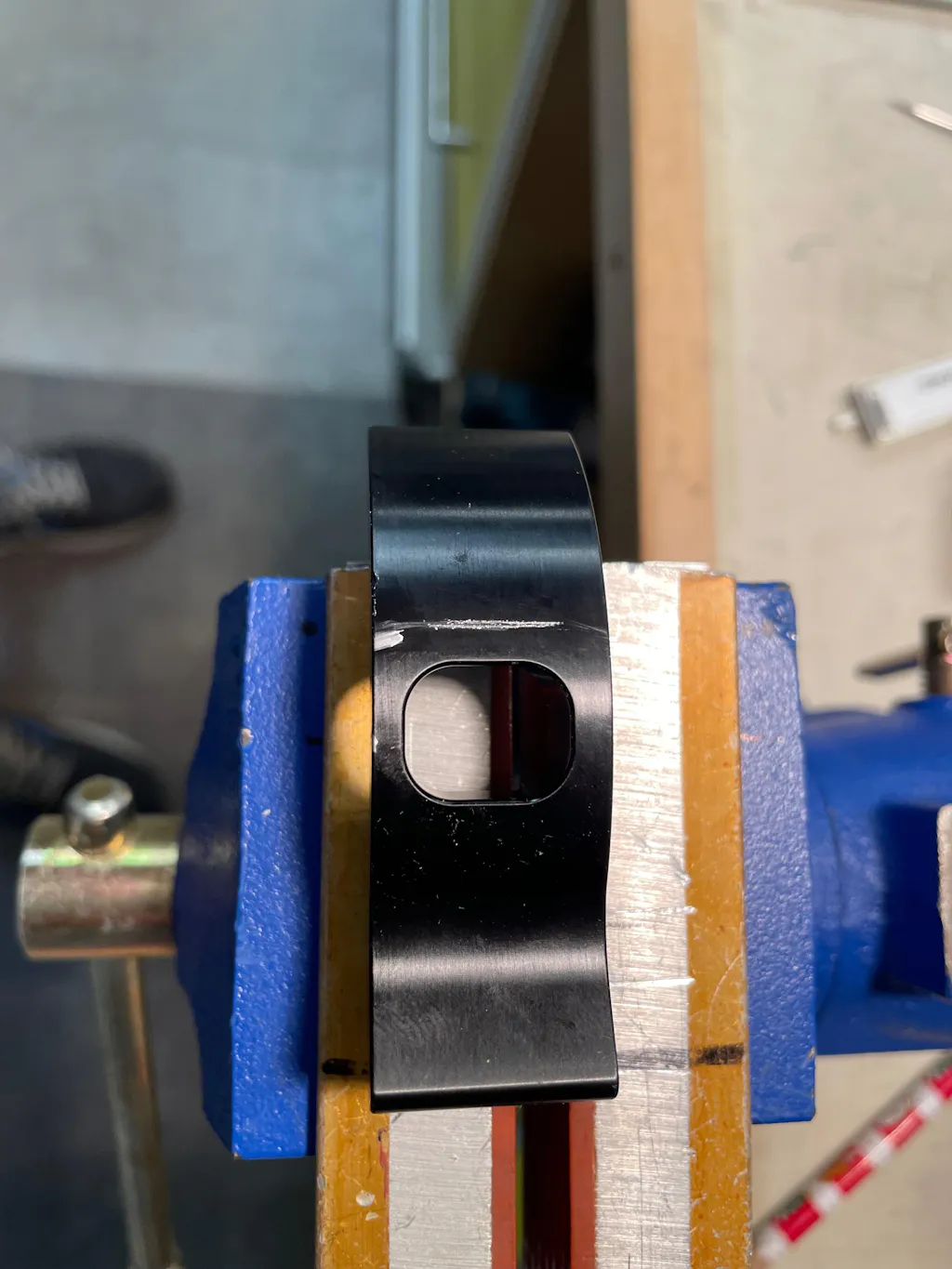
The SuperClamp is our adjustable offset triple clamp system for the KTM 1290 and 1390 Super Duke R. It allows you to change the trail and offset of your front end without affecting anything else on the motorcycle. When you can tune your trail specifically for the track or the road you're riding, you get a bike that finishes the turn sooner. When the bike points better, you can implement this early acceleration technique, making the straightaway effectively longer.
The Mental Shift: 100 Decisions vs. 1
The hardest part of this isn't the physical movement; it's the mental discipline. Most riders treat acceleration as a single decision: “I see the exit, now I go.” To ride like a pro, we want you to turn that one decision into a hundred tiny ones. I think of it as the gap between the throttle and the traction. If you "whack" the throttle, your command is way ahead of what the rear tire can actually give you. The larger that gap, the closer you are to a high-side.
Instead, you want to stay just 3% or 5% ahead of the traction. You crack the throttle, the traction catches up; you feed in more, the traction catches up again. It is, quite frankly, annoying as hell to practice. It’s mentally exhausting to make a hundred micro-adjustments in a single turn instead of just pinning it.
But the result? You’ll notice your upshifts are coming way earlier. I found myself hitting the next gear at a landmark on the track where I used to be halfway through the previous gear.
Boring is Fast
There’s a famous story about Doug Chandler, one of the greats in AMA racing. People used to say he was "boring" to watch because his bike was always in line. He wasn't wagging the tail on the brakes or sideways on the exit. He was just smooth.
After implementing these lessons at Laguna Seca, I looked at the pit wall. Nobody was watching anymore. I wasn't a "mess" anymore; I wasn't doing anything "exciting" or dangerous. I had become boring.
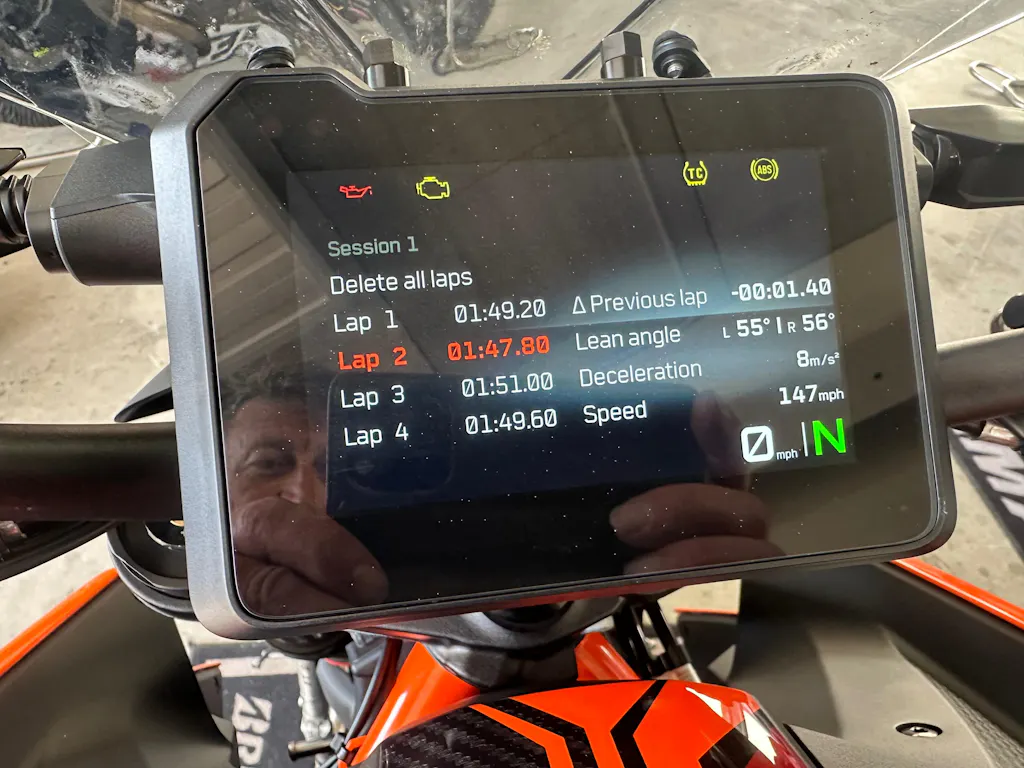
I also went 2.5 seconds faster than my previous goal.
When you stop fighting the bike, your tires last longer, you stay safer, and the lap times drop significantly. Don't let your throttle get ahead of your traction. Stay in that 3% window, be patient with the roll-on, and let the bike work for you.
For a deeper dive into these techniques and to see the "China doll" lines for yourself, watch the full masterclass here: How To Accelerate Your Motorcycle - Better, Safer, Faster.