Titanium Bolts for Motorcycles
Share
If you had to describe titanium for your motorcycle in one word, "sexy," "light," and "expensive" immediately come to mind. But the most accurate word might be "irresponsible." Then again, motorcycles are irresponsible by nature, making titanium the most appropriate upgrade of all.
Whether you are looking for a gift for the rider in your life or upgrading your own machine, titanium is the ultimate flex. But understanding why it is so expensive—and why certain bolts are drastically better than others—requires a quick look at the science of metal.
The Basics of Metal: Why Alloys Matter
To understand titanium, you have to understand metal. Pure iron, for example, is actually surprisingly soft and weak by itself. It isn't until you mix it with other elements—like carbon—that it becomes an alloy, gaining immense strength. Think of an alloy like a military alliance; a single country is only so strong, but teaming up with allies creates a much stronger force.
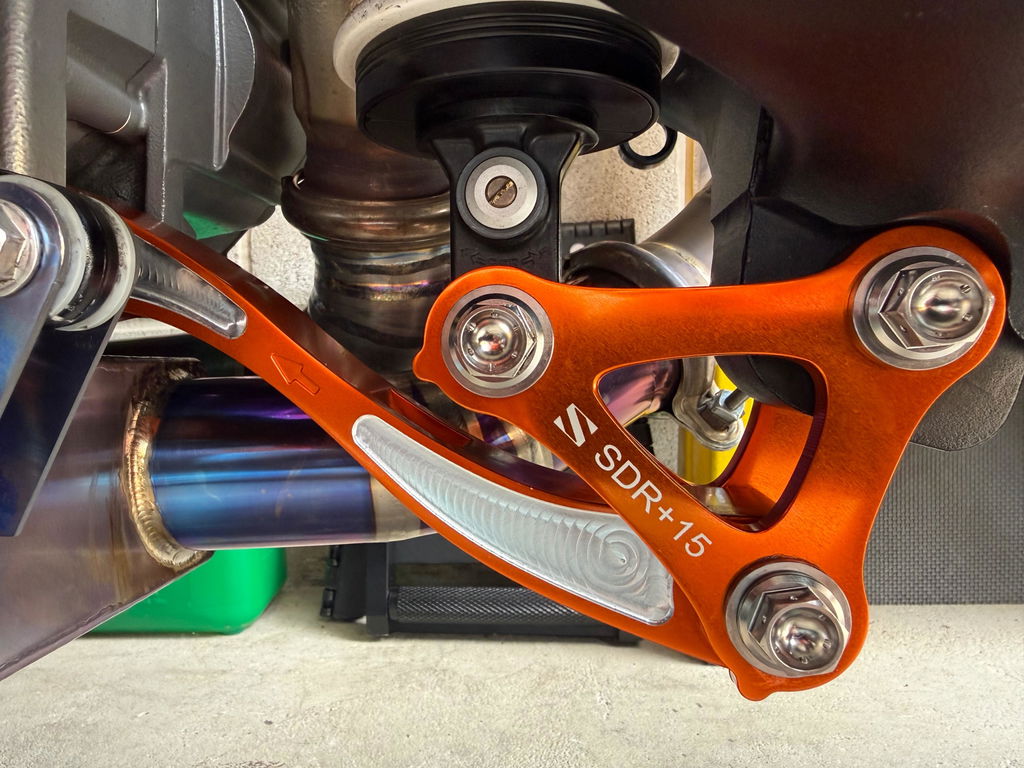
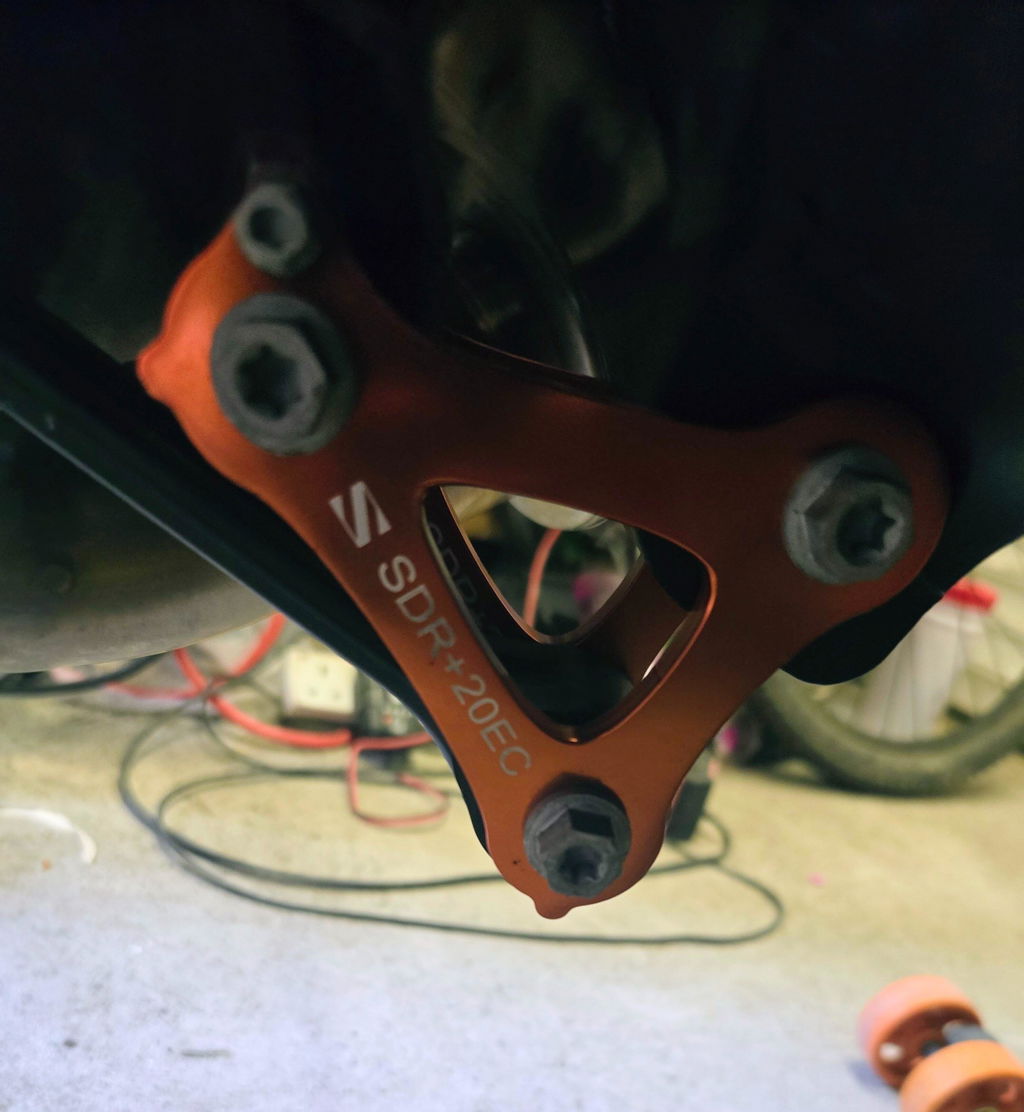
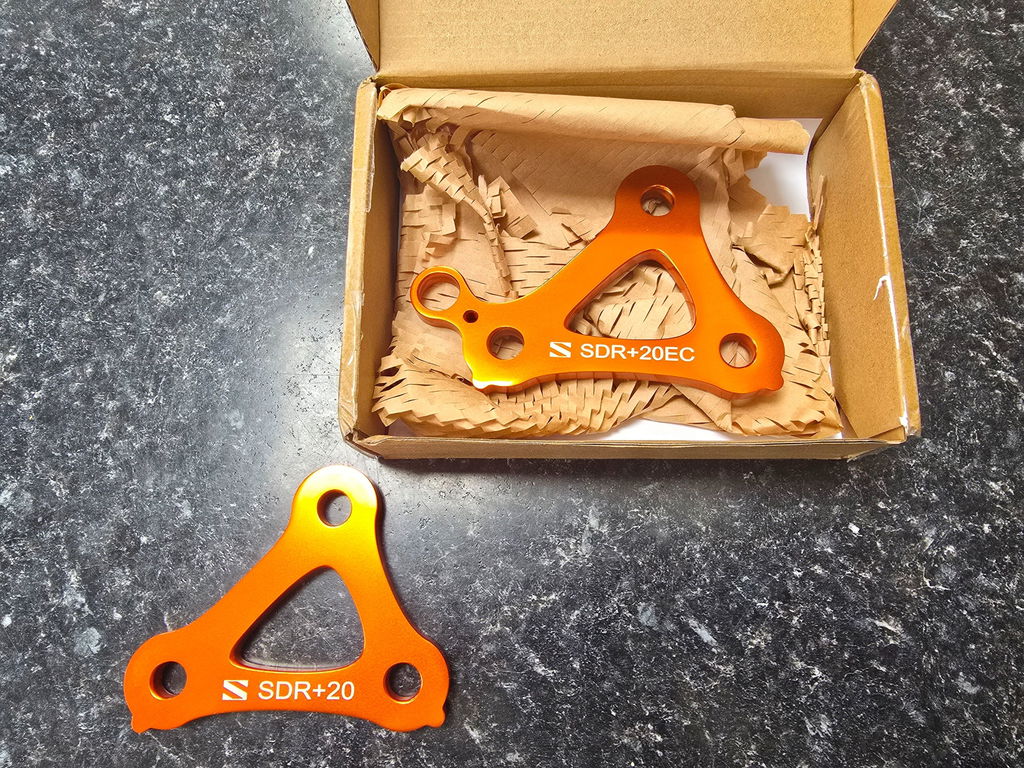
This same concept applies to aluminum. Pure aluminum is highly conductive and bendable, used mainly for electrical wires. When you start adding elements like copper, zinc, and magnesium, you get high-strength alloys like 7075. While standard 6061 aluminum is common, it is softer and more prone to flexing. This is exactly why parts like the Super Clamp and Sport Links are machined exclusively from rigid 7075-T6 aluminum—when you torque a bolt down on 7075, it won't leave a dent.
The Truth About Titanium: Grade 2 vs. Grade 5
Titanium is expensive largely because the process to extract and manufacture it is relatively new. While humanity has been forging iron for 3,000 years, mass production of titanium only began in the 1950s.
When shopping for titanium bolts online, beware of the cheap options. Many inexpensive bolts found on eBay are Grade 2 titanium, which is lightweight but relatively soft. For applications requiring serious torque, you need Grade 5 titanium. This is the aerospace-grade alloy used on rockets—it delivers wicked strength, but it comes at a premium price.
Cut Threads vs. Cold-Rolled Threads
The ultimate strength of a bolt isn't just about the material; it is about how the threads are formed. Traditional manufacturing uses a cutting tool on a lathe to carve threads into the bolt shaft. This inherently removes material, making the bolt weaker.
A far superior method is cold pressing, or rolling the threads. Instead of cutting material away, massive pressure forms the titanium into the shape of the threads. This process creates a significantly stronger fastener. (This is a lesson I learned years ago while wrenching for AMA racing legend Jimmy Adamo, dealing with stretched head bolts on an A51 engine).
The Superduked Custom Titanium Setup
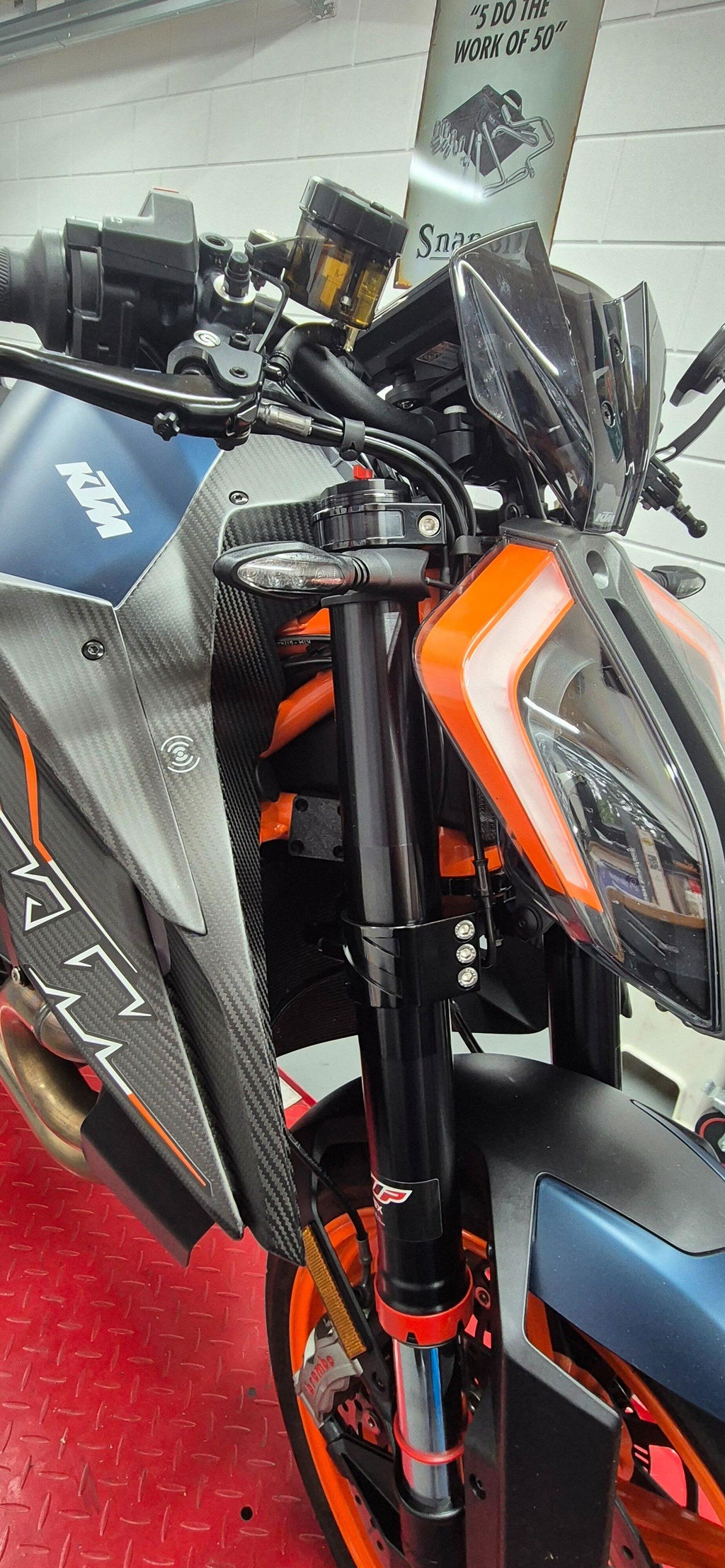
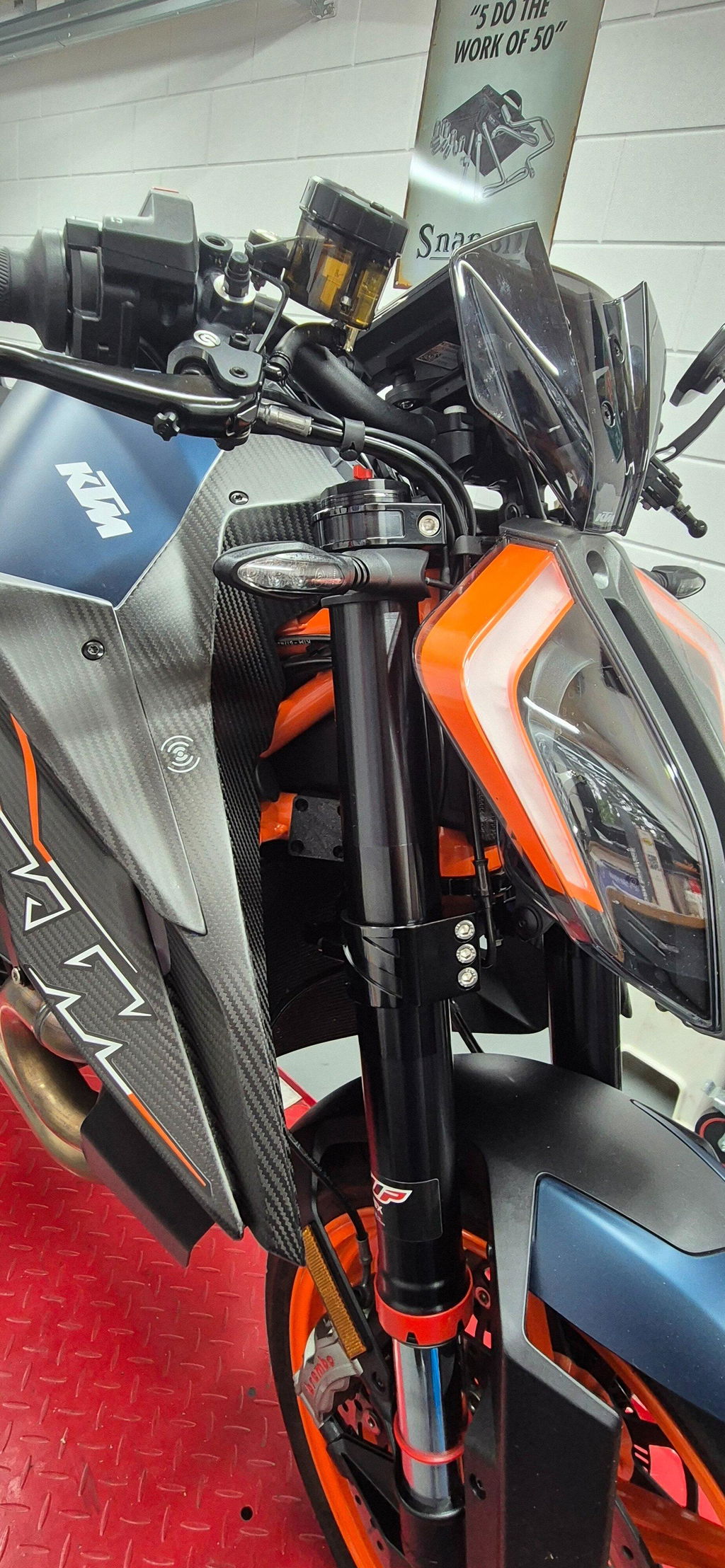
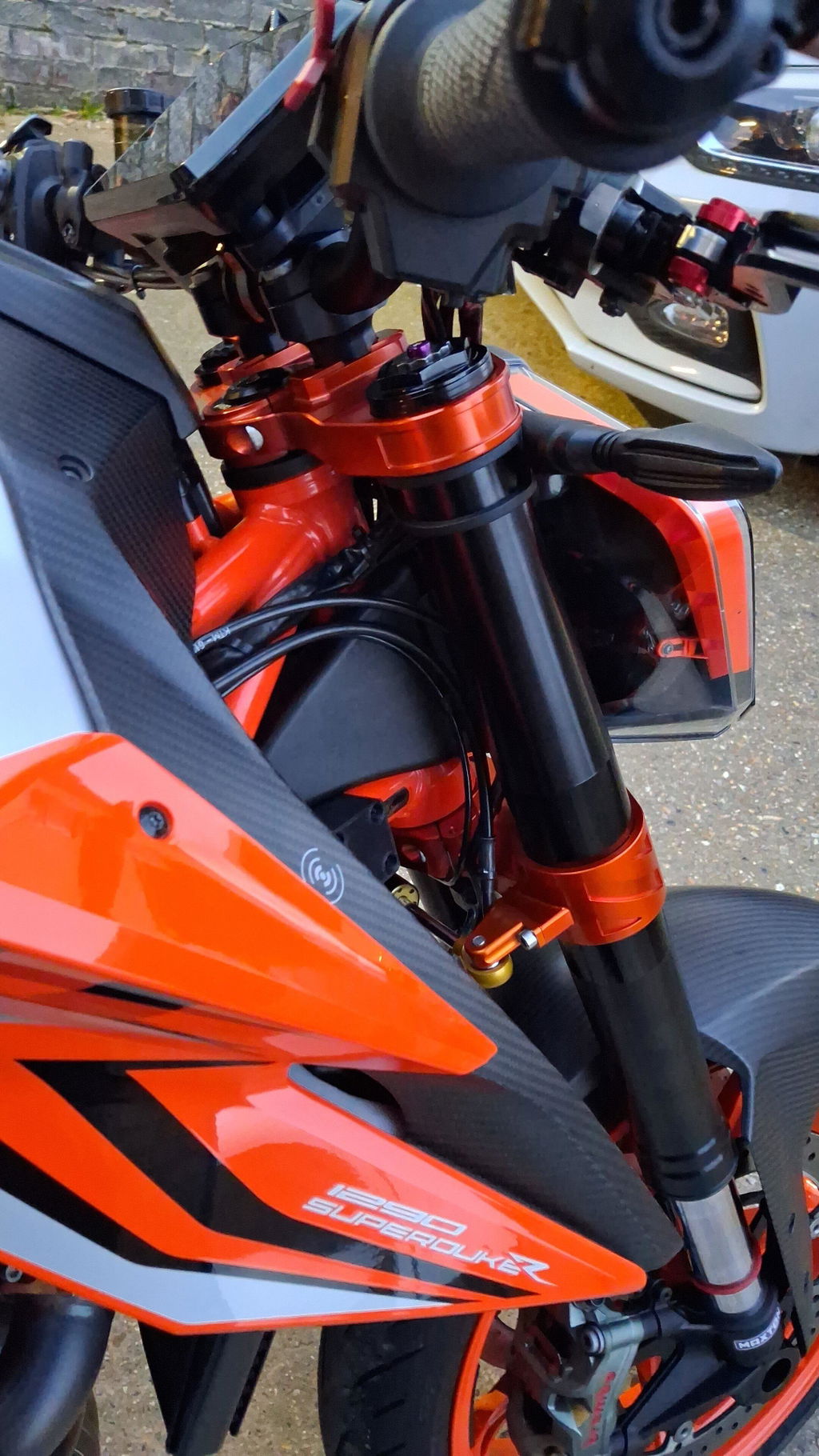
Upgrading to titanium isn't always as simple as buying off the shelf. Standard pre-made titanium bolts have flanges that are too large to fit the 14mm counterbores of a Super Clamp.
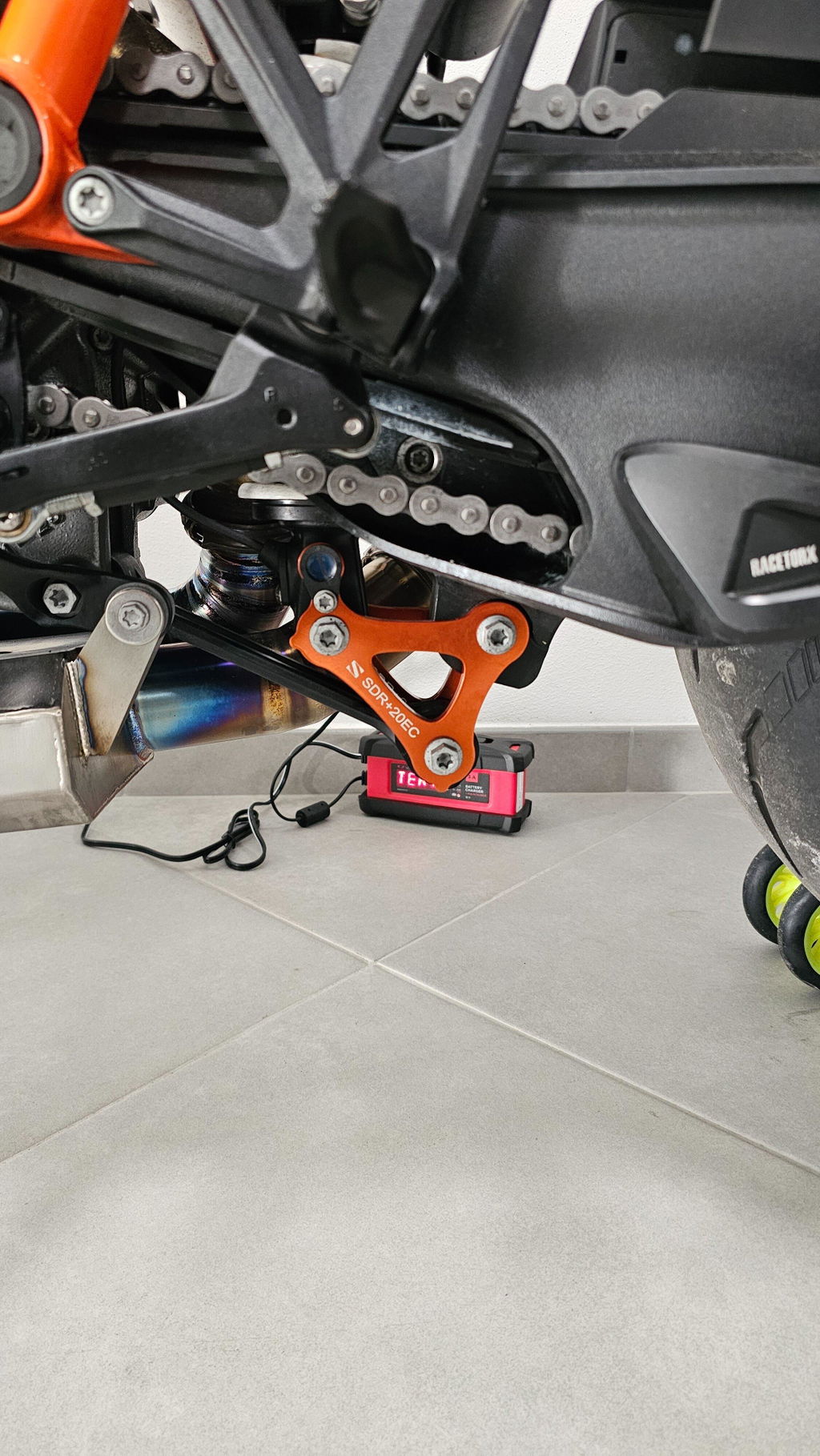
To solve this, I designed custom Grade 5 titanium bolts tailored specifically for the Super Clamp, Sport Links, and Super Links.
These custom bolts feature:
- Cold-Rolled Threads: For maximum tensile strength and reliability.
- Torx Heads (10mm): Matching KTM's Austrian standard, eliminating the need to switch back and forth with Allen keys when working on your front end.
- Pre-Drilled for Safety Wire: Unlike softer steel bolts that can stretch slightly and grip under torque, titanium's high strength means it won't deform to hold itself in place—making safety wire essential.