On my best laps around Thunderhill—whether I’m battling for the lead or leading the battle—there is a specific moment as I let go of the brakes and tip into the apex where a thought flashes through my mind: There is no way I’m going to make this turn. Yet, I always do. But making the first turn is only half the battle. What happens when you have exactly two seconds to get a 400-lb motorcycle from full lean left to full lean right while cresting a hill at full throttle?
Most riders try to muscle the bike. They use their strength to haul the machine across the seat, fighting the very forces that want to help them. I’m too old for that. I don’t want to fight the motorcycle anymore; I want to use the "force." Specifically, I want to use the cornering forces generated by the bike to do the heavy lifting for me. I call this the Superman Move.
Stop Fighting, Start Flowing
When you are at a full lean, you are effectively in a fight with centrifugal force. To keep the bike down, you are pushing on the inside bar and balancing your lean. You’re generating force to maintain that arc.
The secret to a lightning-fast transition is knowing exactly when to stop the fight. When you reach the point where you need to change direction, you don't just pull the bike up. You transition your inputs. If you’re leaning left, your left arm is currently the "pushing" arm. To execute the Superman Move, you instantly let that left arm go completely limp. At that exact micro-second, your right arm becomes the "pushing" arm.
The Mechanics of the "Flick"
By pushing forward on the right bar (the new inside bar) while the left goes soft, you are no longer resisting the energy of the previous turn. You are letting that energy snap the bike upright and over to the other side.
I call it the Superman Move because of that lead arm reaching out toward the next apex. In my mind, my hand is heading straight for the target, and the bike is simply flipping underneath me.
During this move:
- The Bike Moves, You Don't: You aren't climbing all over the bike. The bottom of the motorcycle should "swing" or "flip" beneath your core.
- Lighten the Load: I work with my wife Tracy, a personal trainer, on specific exercises for this. You need just enough weight on the pegs to let your hips slide across the seat without tension.
- Use the Momentum: All that centrifugal force you were fighting to stay in the left-hander is now used as a spring to launch the bike into the right-hander.
Timing is Everything
At Thunderhill, Turn 9 is the perfect classroom for this. You’re breaking uphill, turning left, and then the track gets even steeper as it crests a blind hill and turns right.
Most riders hold the left turn too long. They stay leaned over, fighting the bike, and by the time they get it upright, they’ve missed the apex of the right-hander by seven feet. Because I use the Superman Move, I can initiate the flip earlier. I let the force steer the bike for me. While other riders are still wrestling their machines, I’m already pointed at the next apex, often wheelieing over the crest because the bike is already settled and ready for gas.
The Role of Chassis Geometry
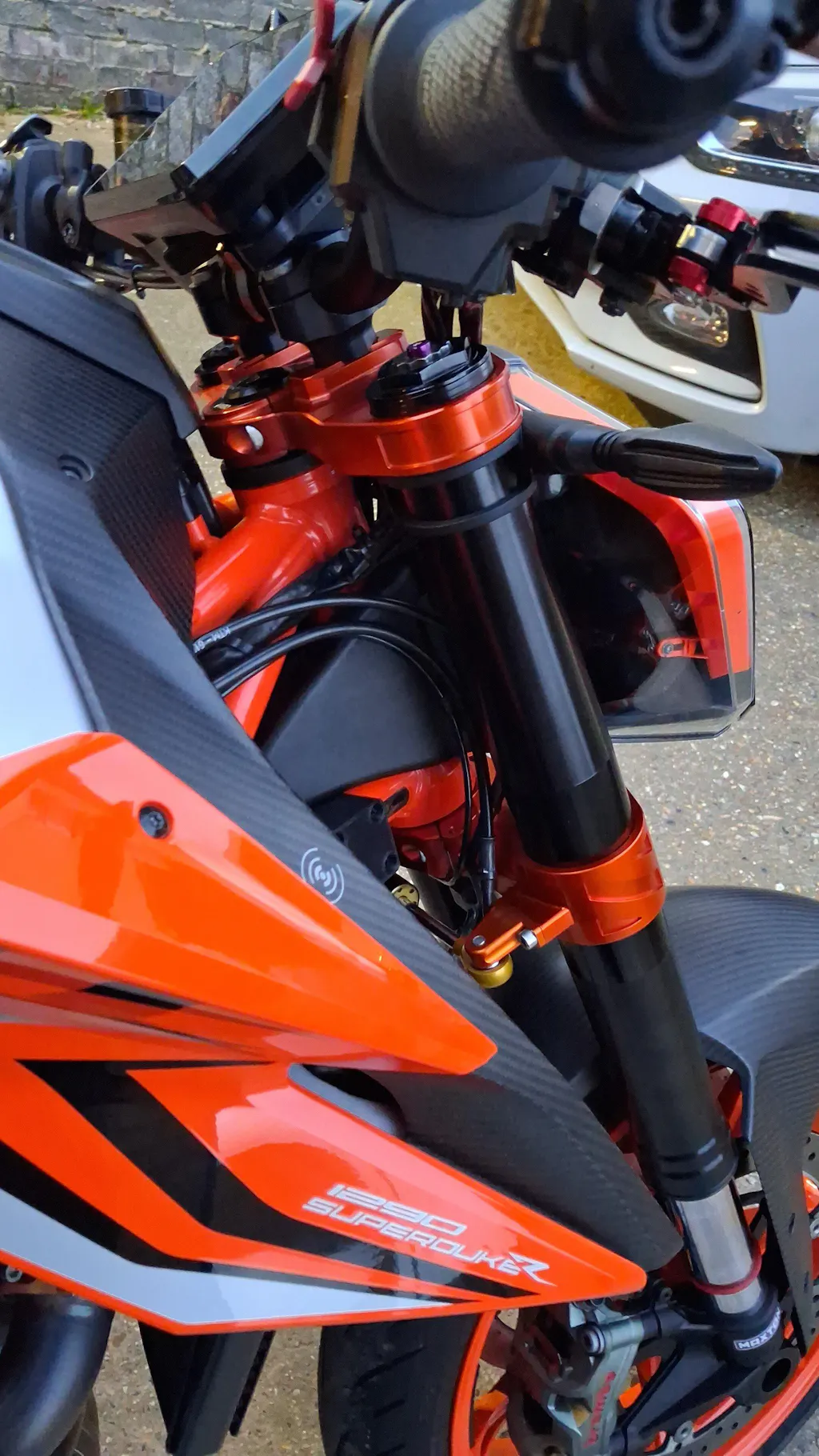
You can have the best technique in the world, but if your bike’s geometry is "lazy," the Superman Move will feel like moving through molasses. To get that snappy, proactive flip, your KTM needs to be set up correctly.
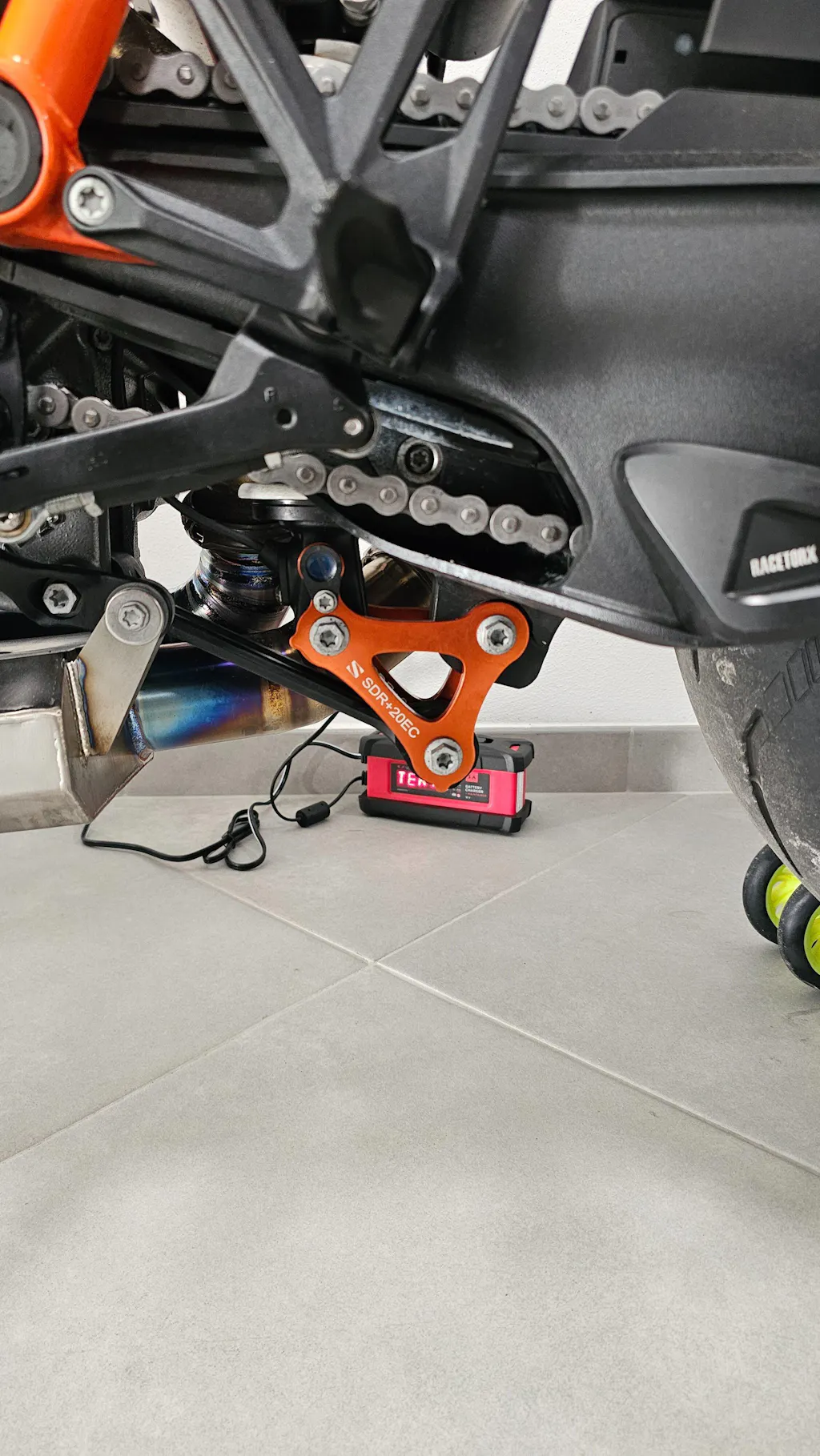
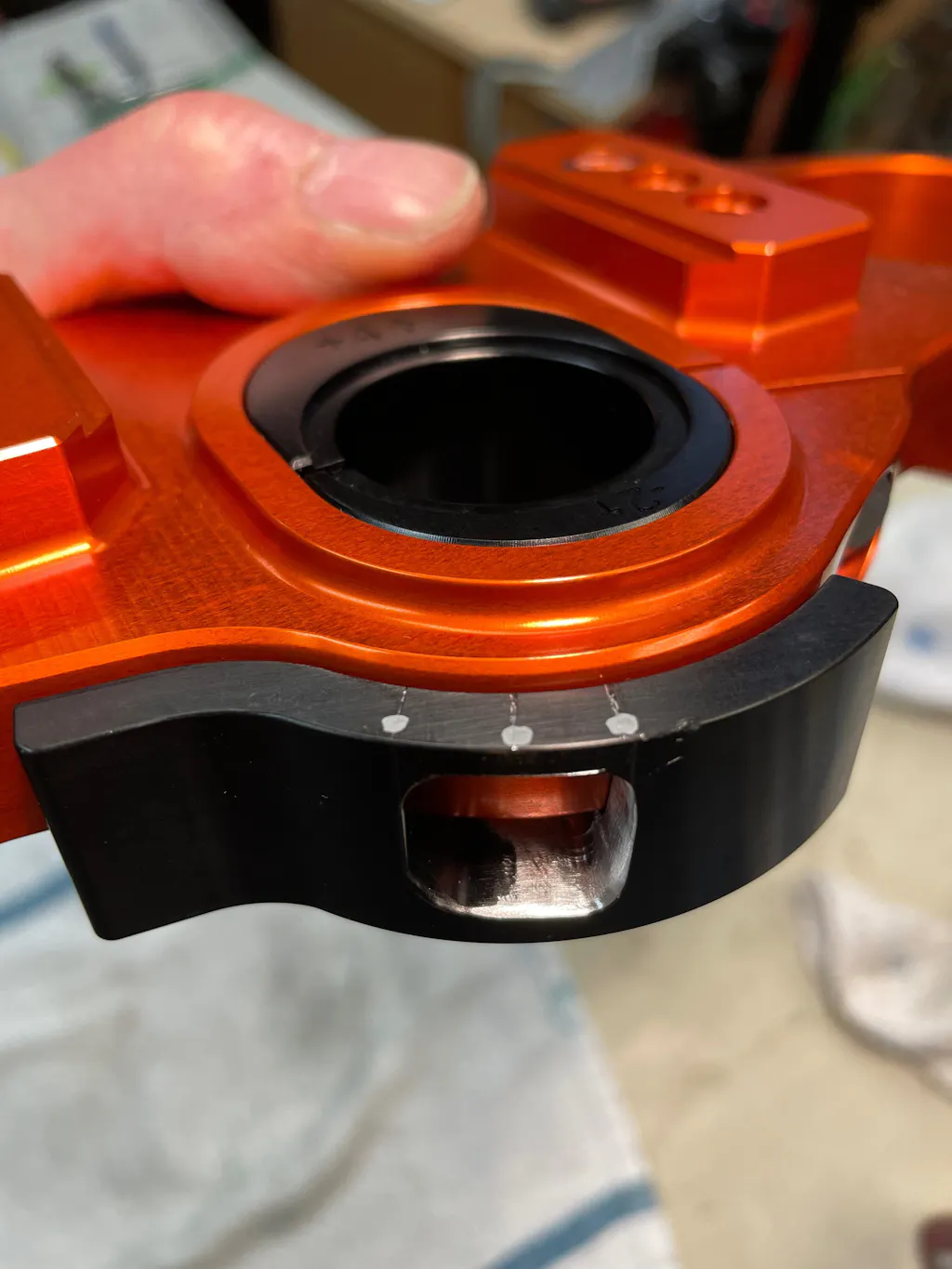
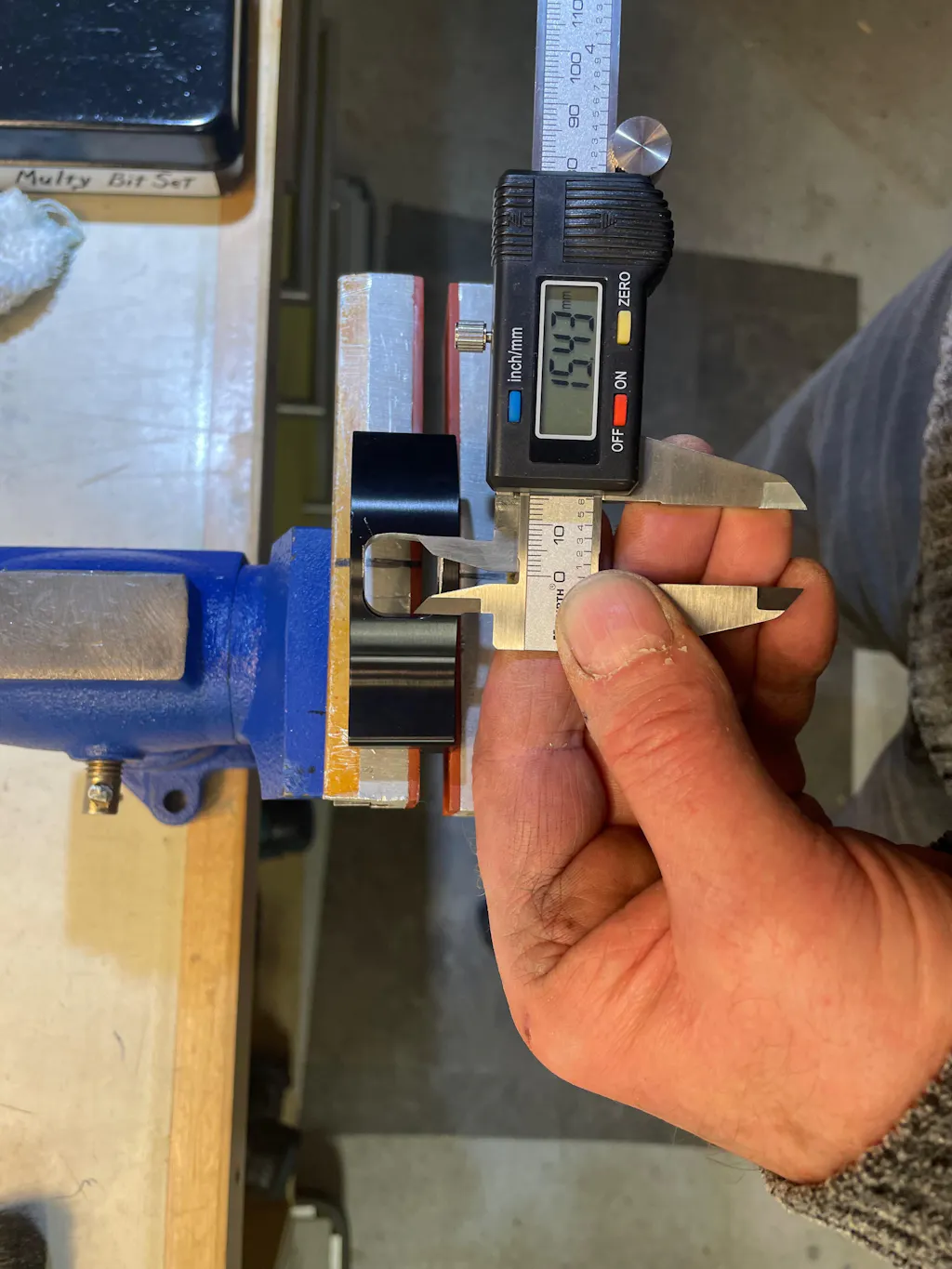
This is why we developed the Ride Height Tool. If your rear end is sitting too low, the bike will resist turning and feel heavy during transitions. Furthermore, our Sport Link and Superlink systems change the rising rate of the rear suspension. This allows the bike to "support" itself better mid-turn, so when you decide to let go and flip the bike, it reacts instantly rather than wallowing.
When your geometry is dialed, the bike wants to do the work. You just have to give it permission.
Master the Force
The next time you’re on track, stop thinking about how much muscle you can put into the bars. Think about the energy you are fighting, and then choose the exact moment to let that energy go. Be deliberate. Be proactive. And remember: let the arm go limp, push with the other, and fly toward that apex.
For a deep dive into the visual markers and the "hand to God" positioning I use during this transition, watch the full masterclass here: How to Flick Your Bike Quicker: THE SUPERMAN MOVE.