Shop Talk: The "False Neutral" and Why It's Usually Not the Gearbox
Partager
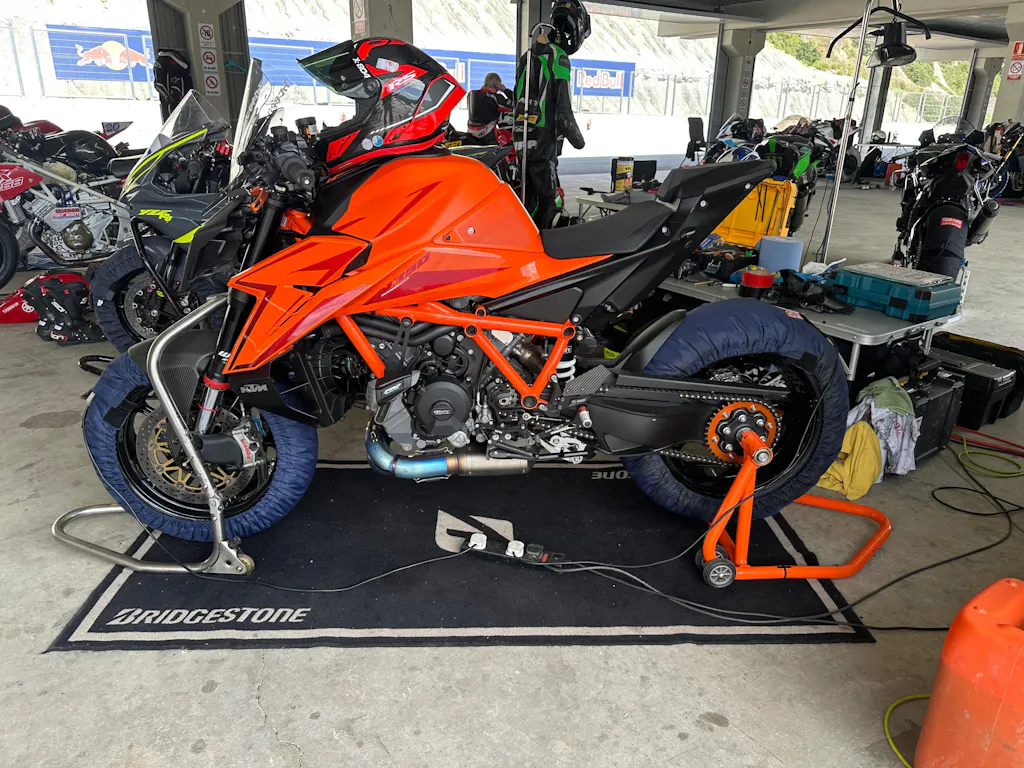
I get a lot of concerned messages from riders who think their gearbox is failing because they're hitting "false neutrals." Before you start tearing down the motor, understand that on the 1290 platform, this is almost never an internal transmission failure.
In my experience, 90% of the time, the issue is purely mechanical and external. Before you look at internal components, check these three specific areas:
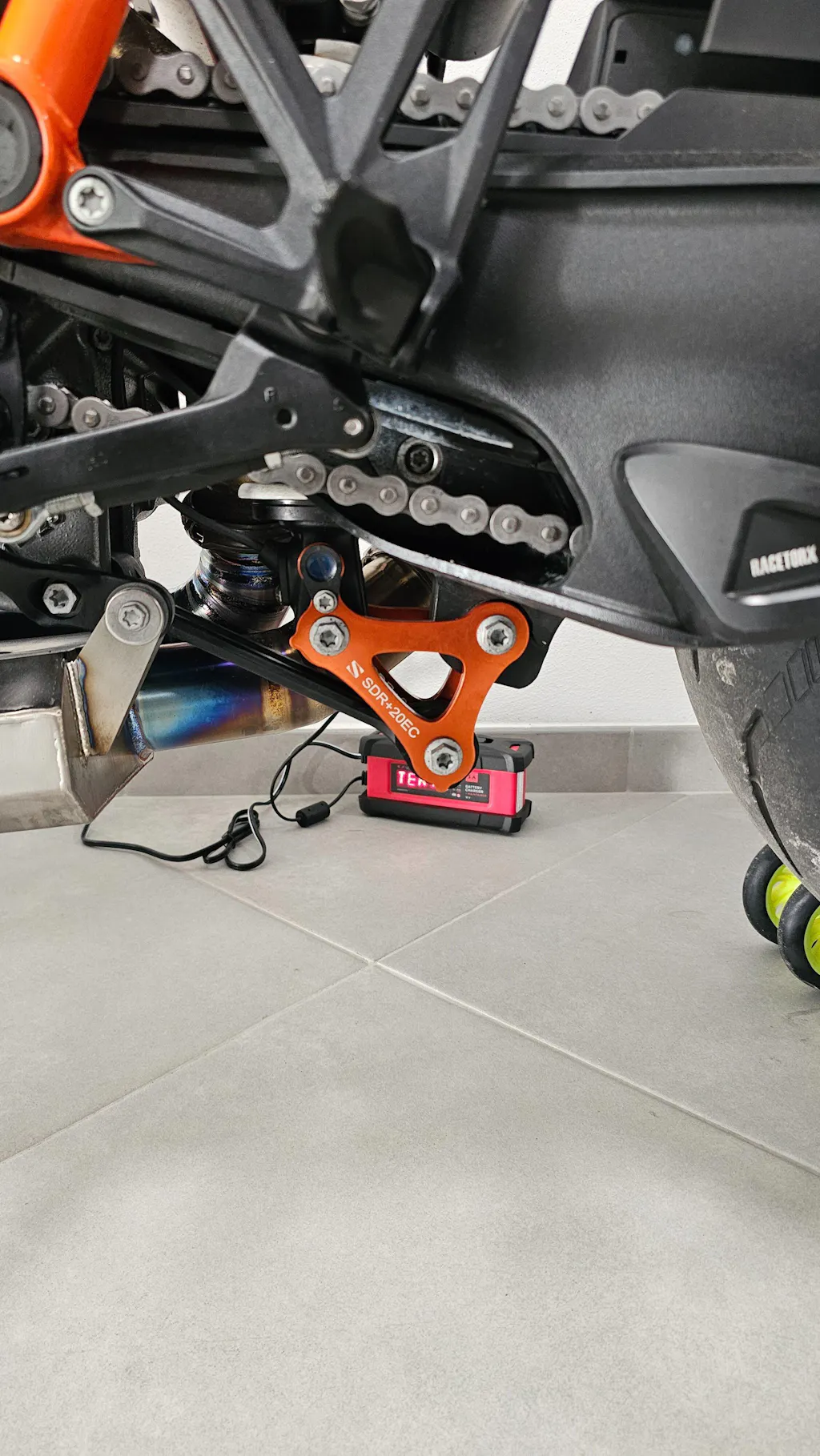
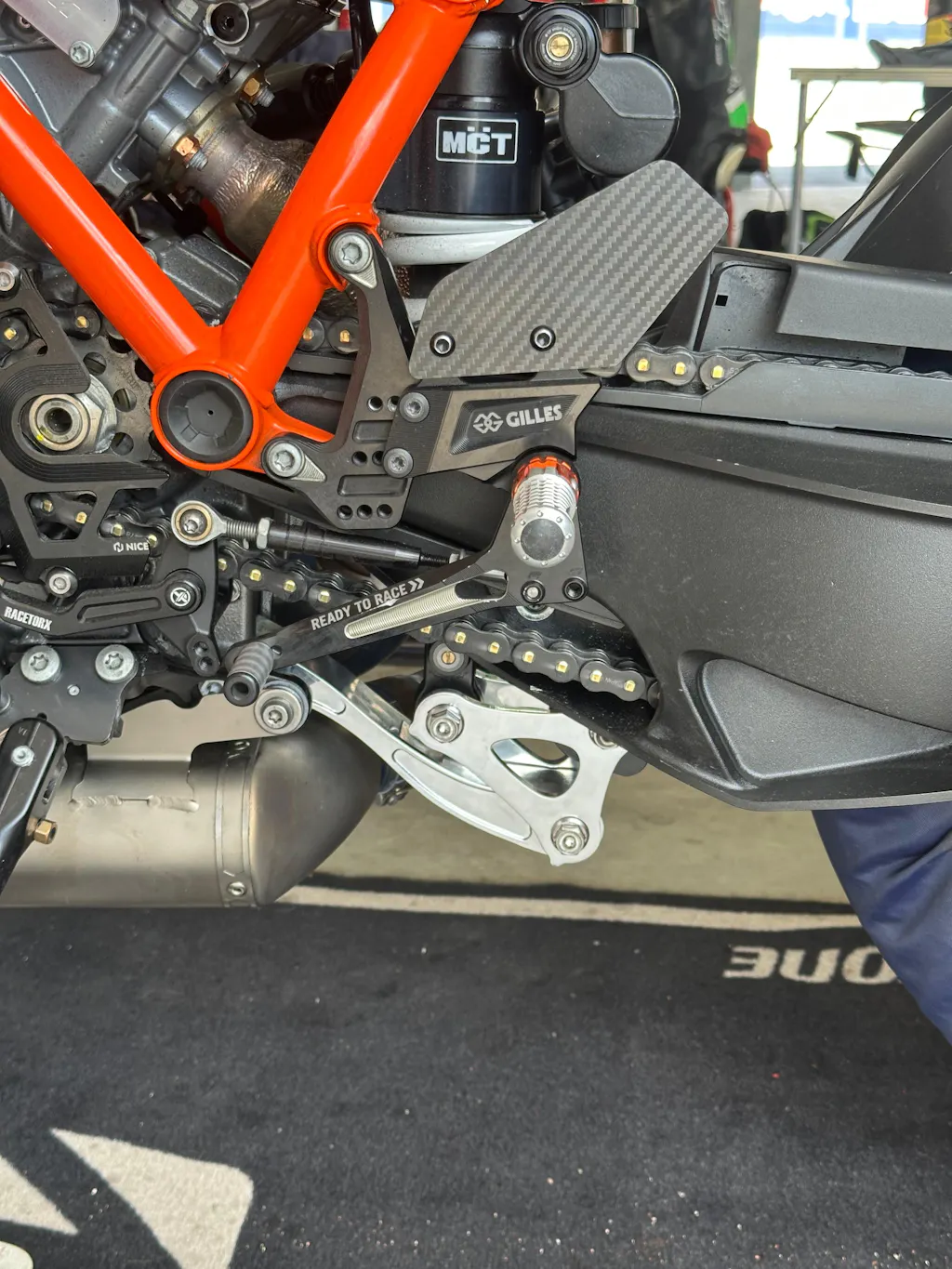
Shift Linkage Geometry: If your shift lever is set at an incorrect angle, or if the linkage rod is binding due to poor geometry, you aren't completing the full stroke required to fully engage the dog gears. Ensure your link rod is as close to a 90-degree angle to the shift shaft arm as possible at the mid-point of the stroke.
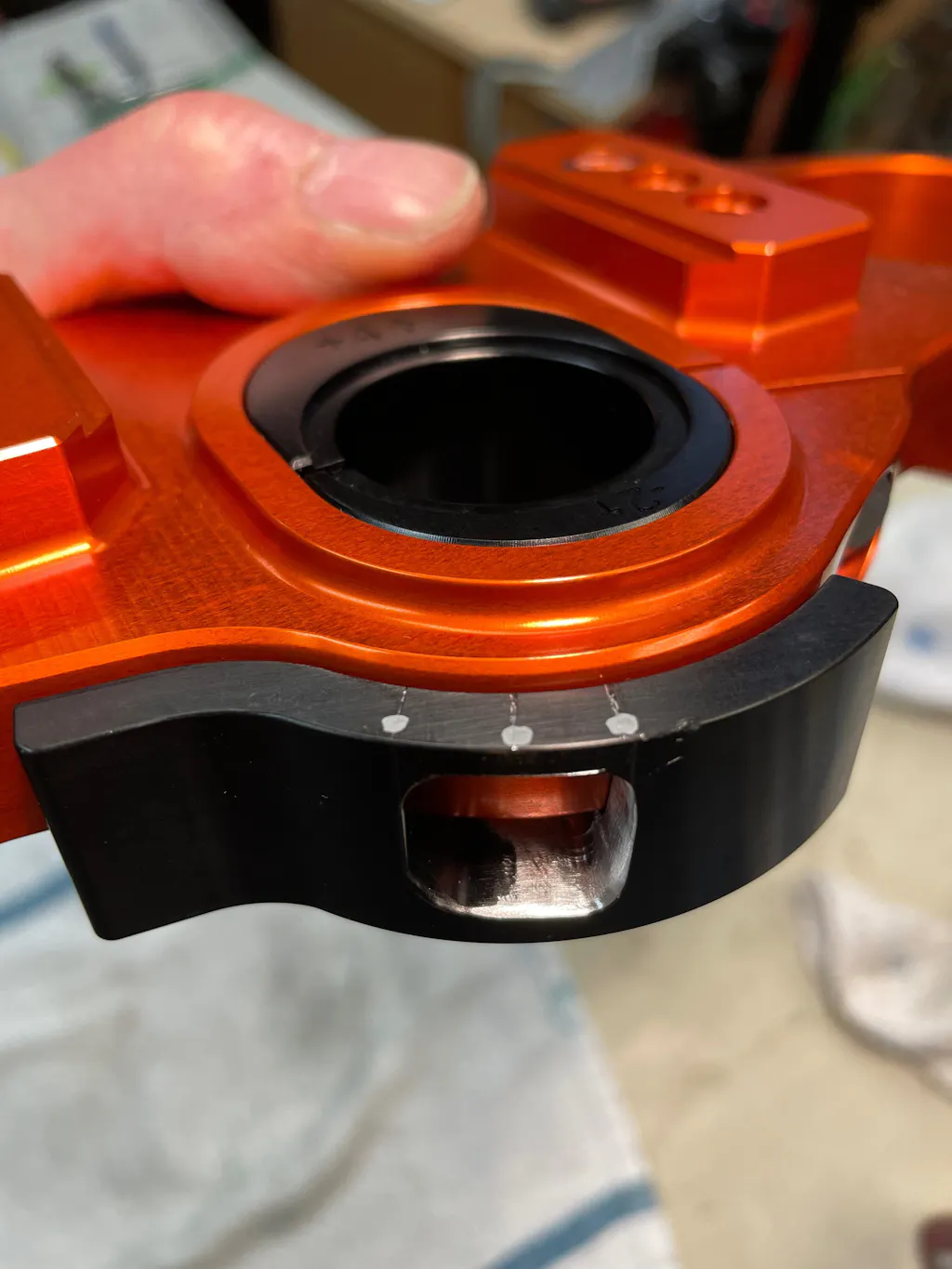
Shift Shaft Bracket Security: Check the shift shaft support bracket. If the mounting bolts have worked themselves loose, the entire bracket will flex under the force of your shift. That tiny amount of flex absorbs the energy that is supposed to go into engaging the gear, leaving you in a false neutral. If the bracket isn't rock-solid, your shifting will never be crisp.
Physical Interference: Ensure your boot or foot isn't catching the linkage, the frame, or the belly pan during the up-shift, which prevents the lever from traveling its full arc.
Stop chasing phantom transmission issues. Dial in your external linkage geometry, verify that your shift bracket is tight and free of play, and ensure you have a clean, full-range shift movement. Nine times out of ten, the "transmission problem" vanishes once the external hardware is correctly tensioned and aligned.