The Geometry of Comfort: Dialing in Your Super Duke for the Street
Compartir
Ryan's Question
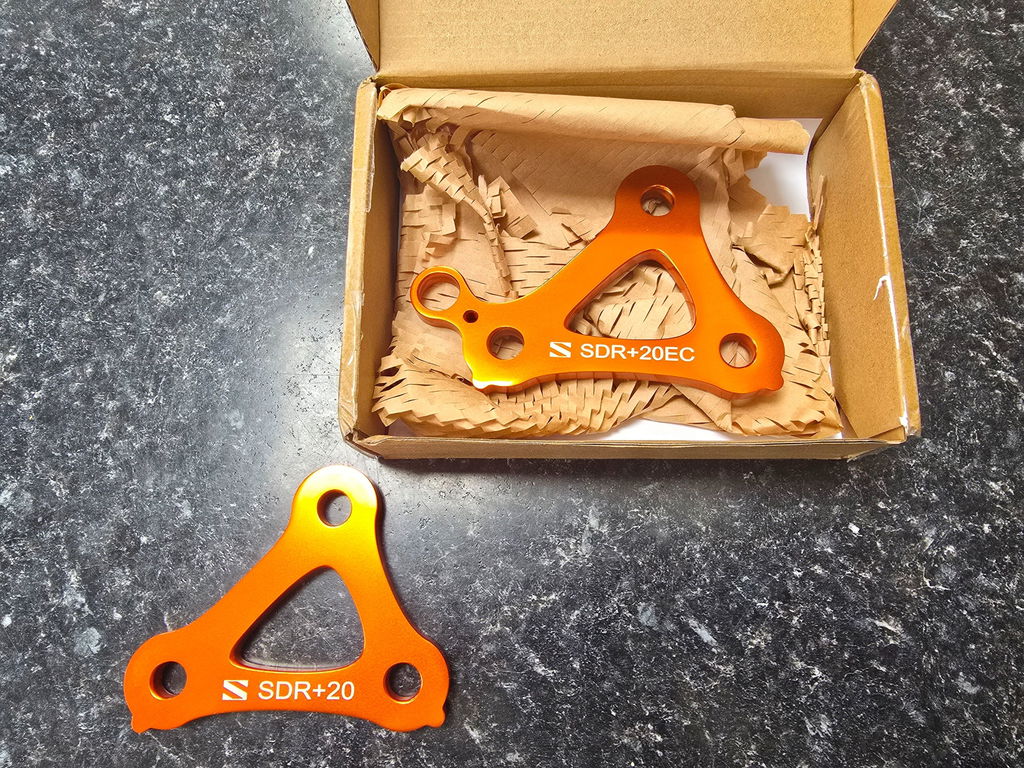
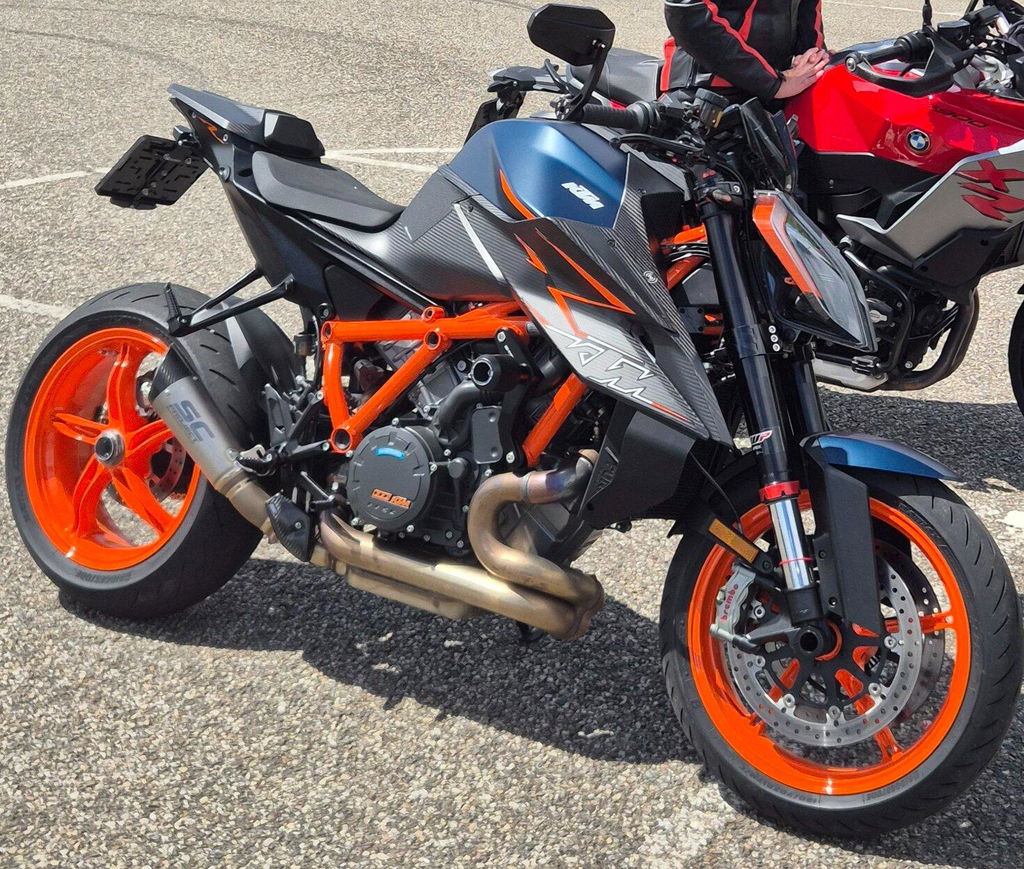
Hey — I'm building out my Gen 3 1290 Super Duke R mostly for street and canyon riding, maybe one or two track days a year. I'm torn between the +15mm and +20mm Sportlink, and I'm also looking at a new chain and rear sprocket. How will these changes affect my seat height and overall feel on the street?
Eric's Reply
1. Why Street Setup is Even More Challenging (and Sometimes Even More Critical) Than Track Setup
Before we get into the numbers, let's talk about what actually matters: your physical and emotional comfort, confidence, and feedback. These are the most critical elements of any setup.
I actually think street setups are more important to get right than track setups. On the track, you can manipulate your chassis with intense, heavy trail-braking — compressing the forks to temporarily reduce trail and help the bike turn. On the street, you don't always have that luxury. You have to turn your bike exactly as it sits, at varying speeds. A neutral, dialed-in street setup isn't just nice to have — it's the foundation of everything.
2. The Math Behind Seat Height Adjustments
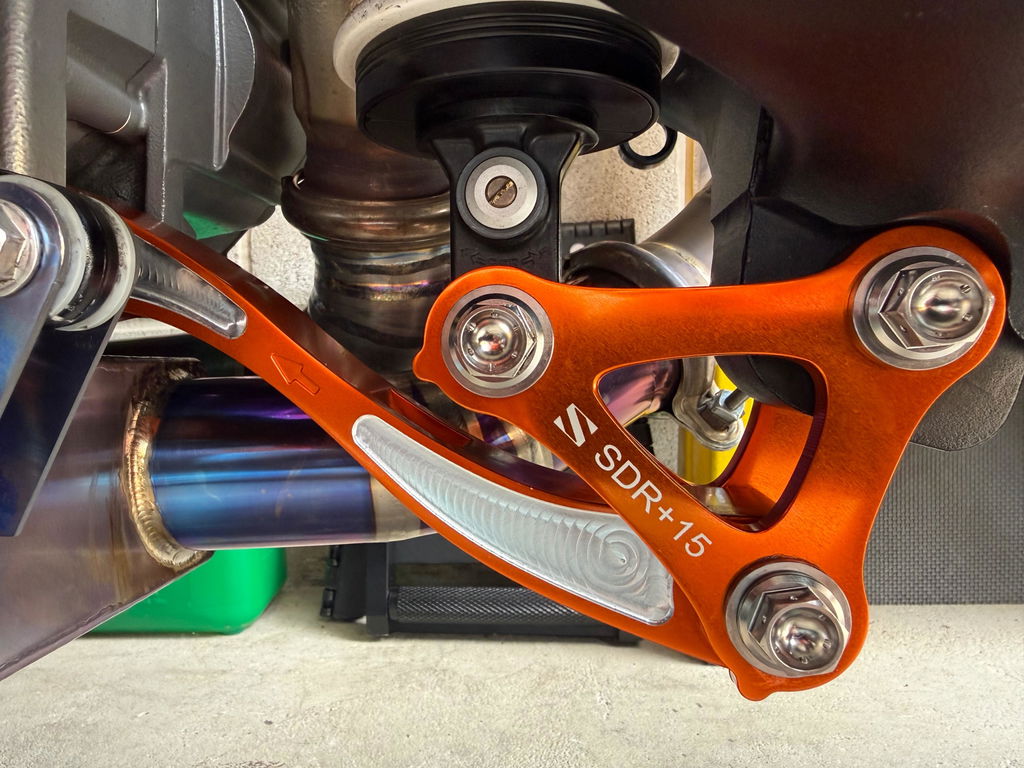
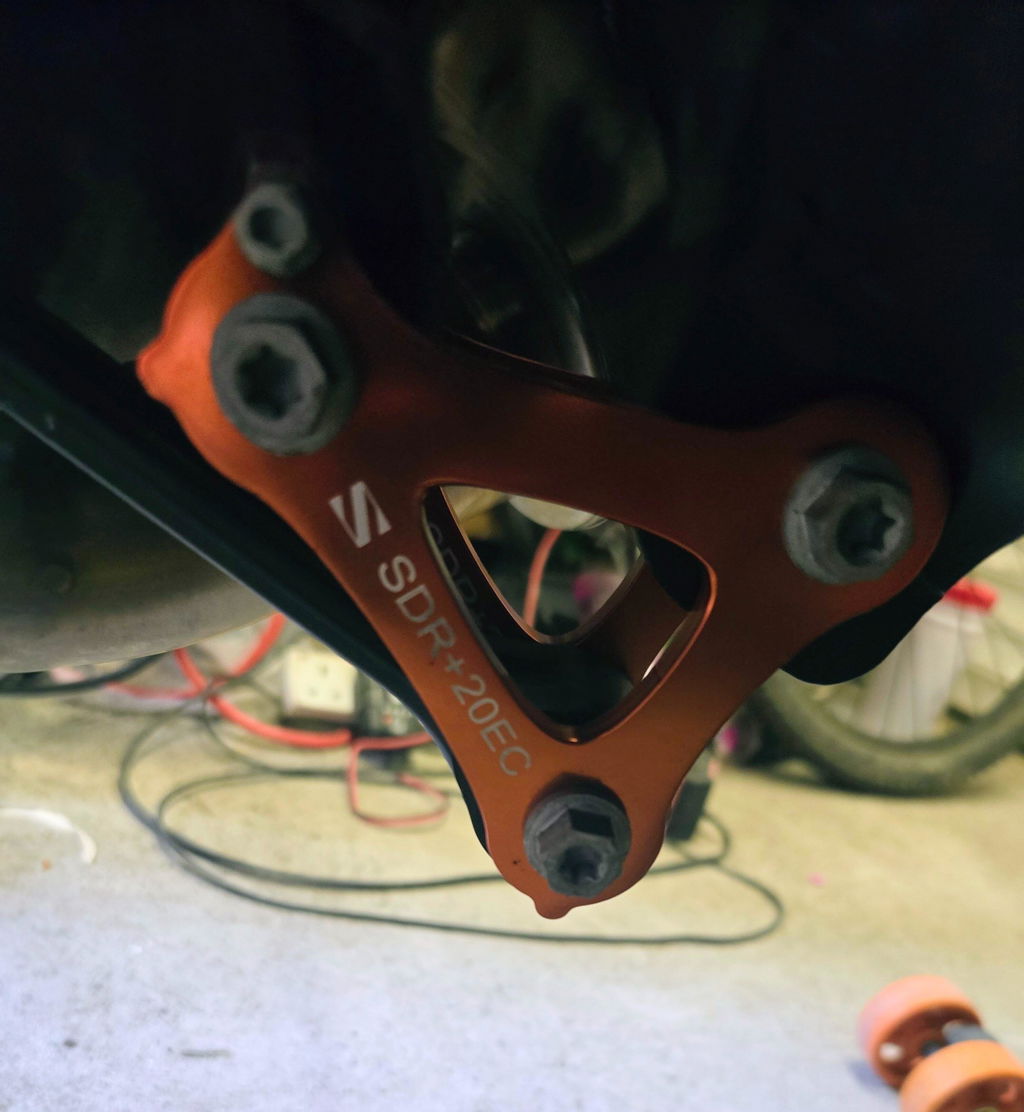
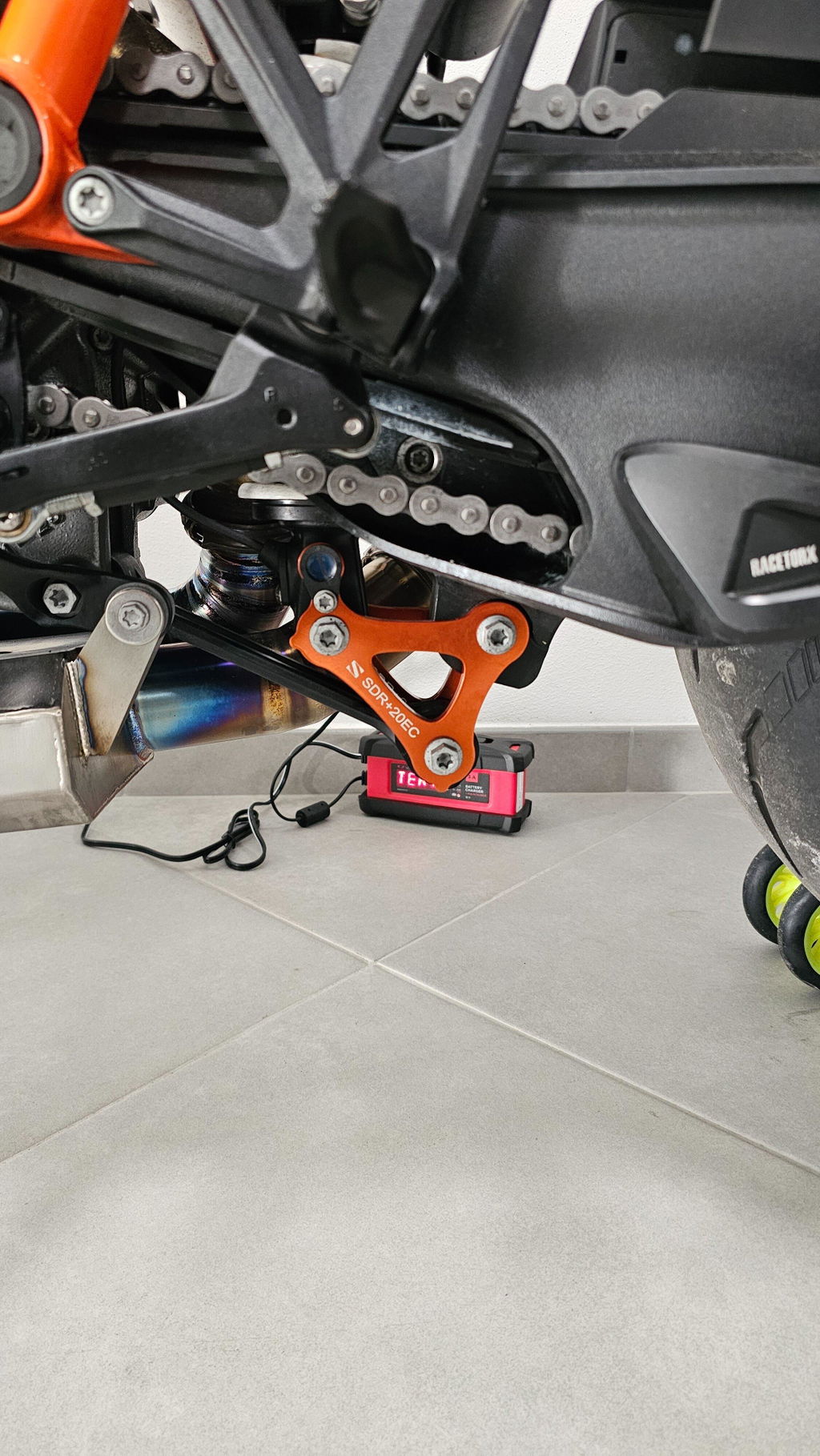
A common question when installing a Sportlink is exactly how much it raises your physical seat height. Here's the thing: if you install a +20mm link, your seat does not go up 20mm.
The 20mm measurement is taken directly above the rear axle. Because your seat is positioned further forward along the chassis pivot arc, it won't rise nearly as much. The ratio of shock-to-swingarm movement is roughly 1:2 (for every 1mm the shock moves, the swingarm moves 2mm at the axle). The actual change to your seat height ends up being a little more than half of what the link adds — so a +20mm Sportlink will generally raise your seat by about 12mm to 13mm (roughly half an inch).
Keep that in mind when choosing between the +15mm and +20mm. The seat height difference between the two is only about 3–4mm in practice.
3. Why Changing the Rear to Fix the Front is Weird (But Necessary)
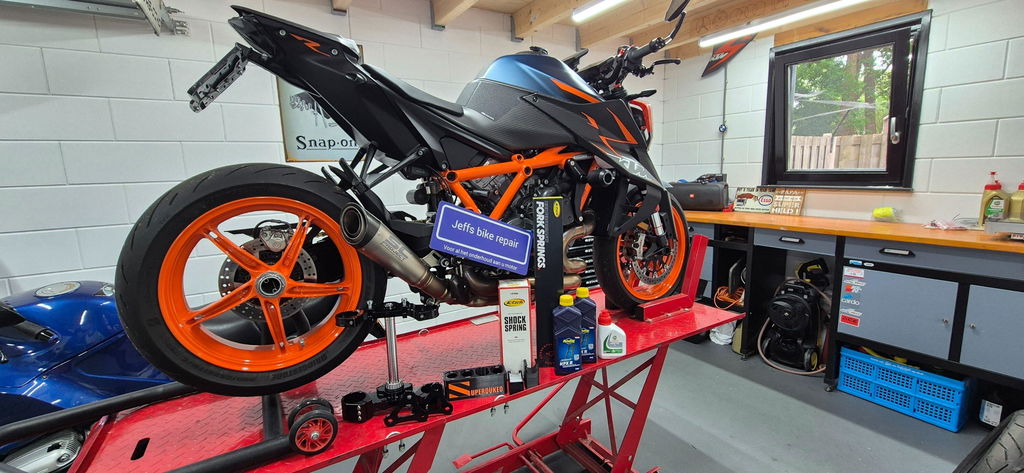
Riders switch between link sizes for a mix of reasons — leg length, geometry goals, feel. Sportlinks are the least expensive way to make what is otherwise a more expensive geometry change.
When you raise the rear, you change the angle of the frame. That changes the angle of the steering head, which reduces your trail. It's a counterintuitive concept — adjusting the rear of your motorcycle to change the front of your motorcycle. It's never the absolute best way to do anything. But because trail has such a massive impact on how a bike handles, and Sportlinks change trail for so little money, they're the most common go-to solution.
The only other way to achieve a similar chassis attitude change is a length-adjustable shock — which costs roughly seven times as much and still doesn't address the progressive rate built into the factory spring, like Sportlinks do.
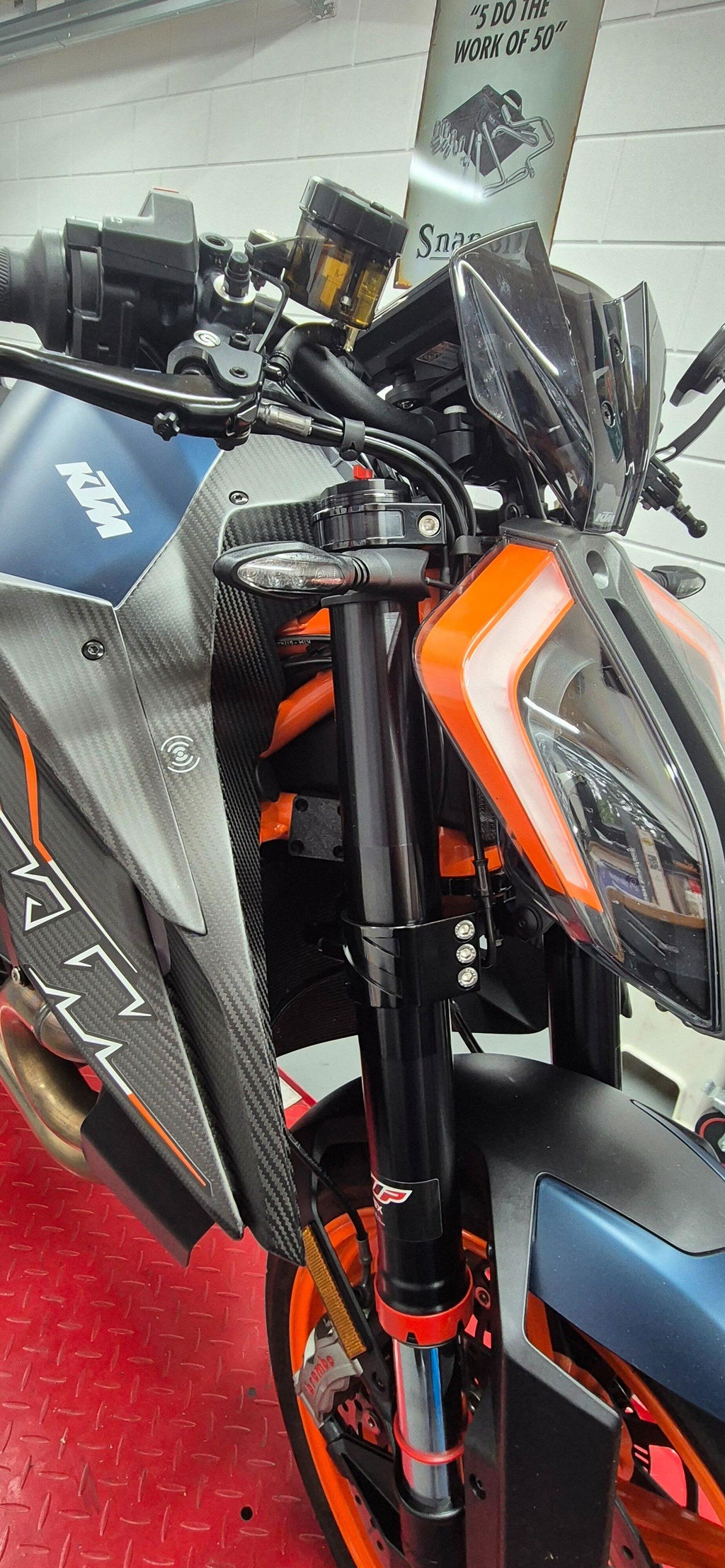
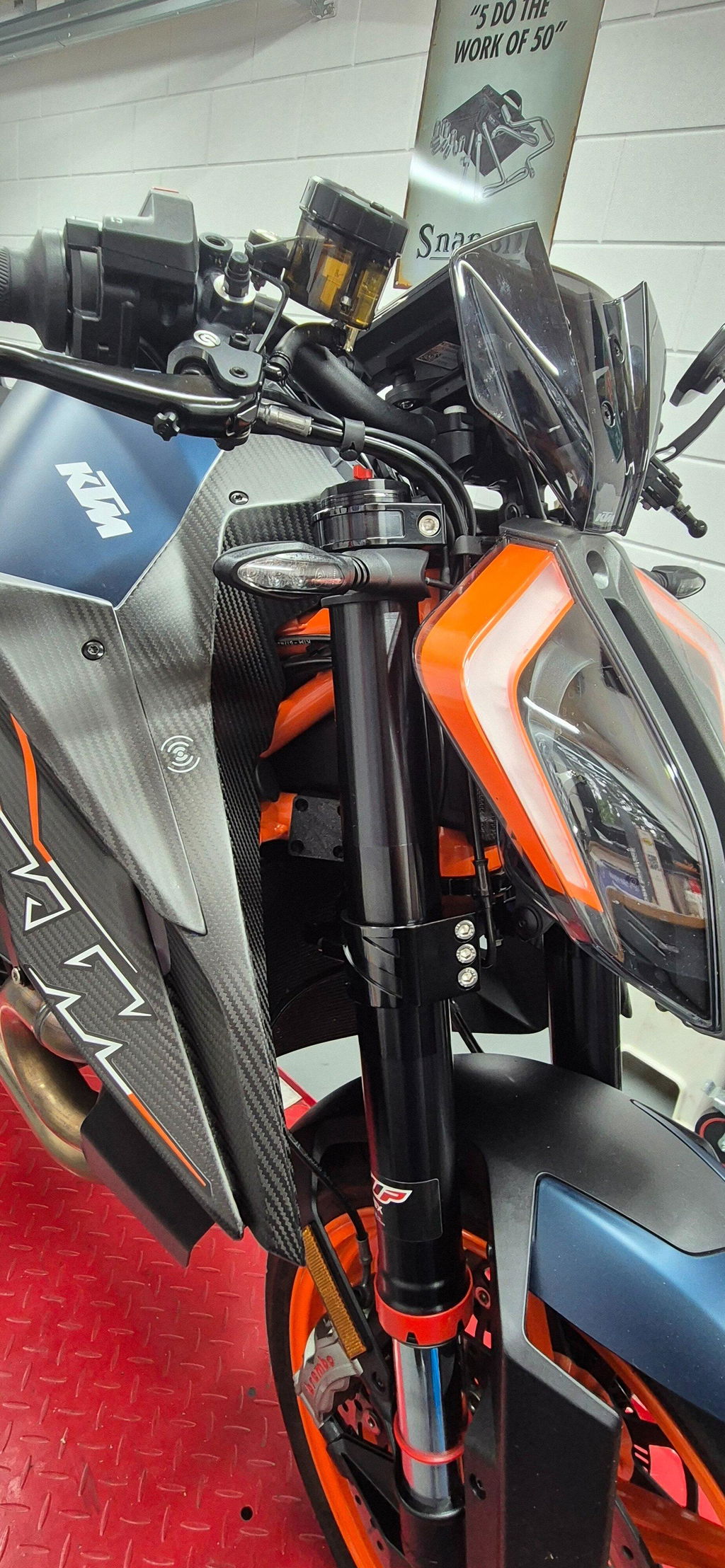
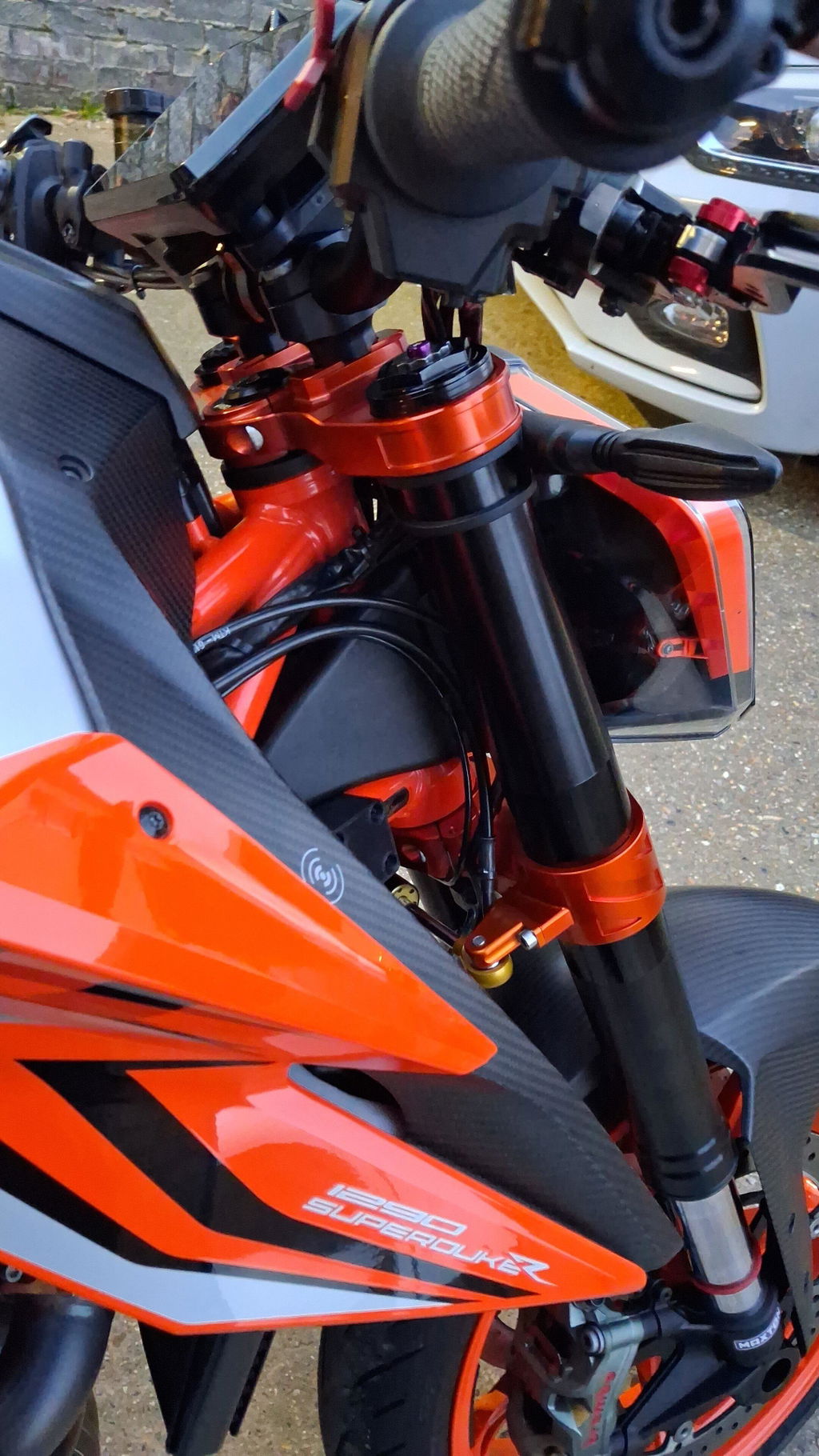
Note: If you want to adjust the front of your motorcycle by actually changing the front of your motorcycle, that's exactly why I make Superclamps.
4. The Front Sprocket Myth
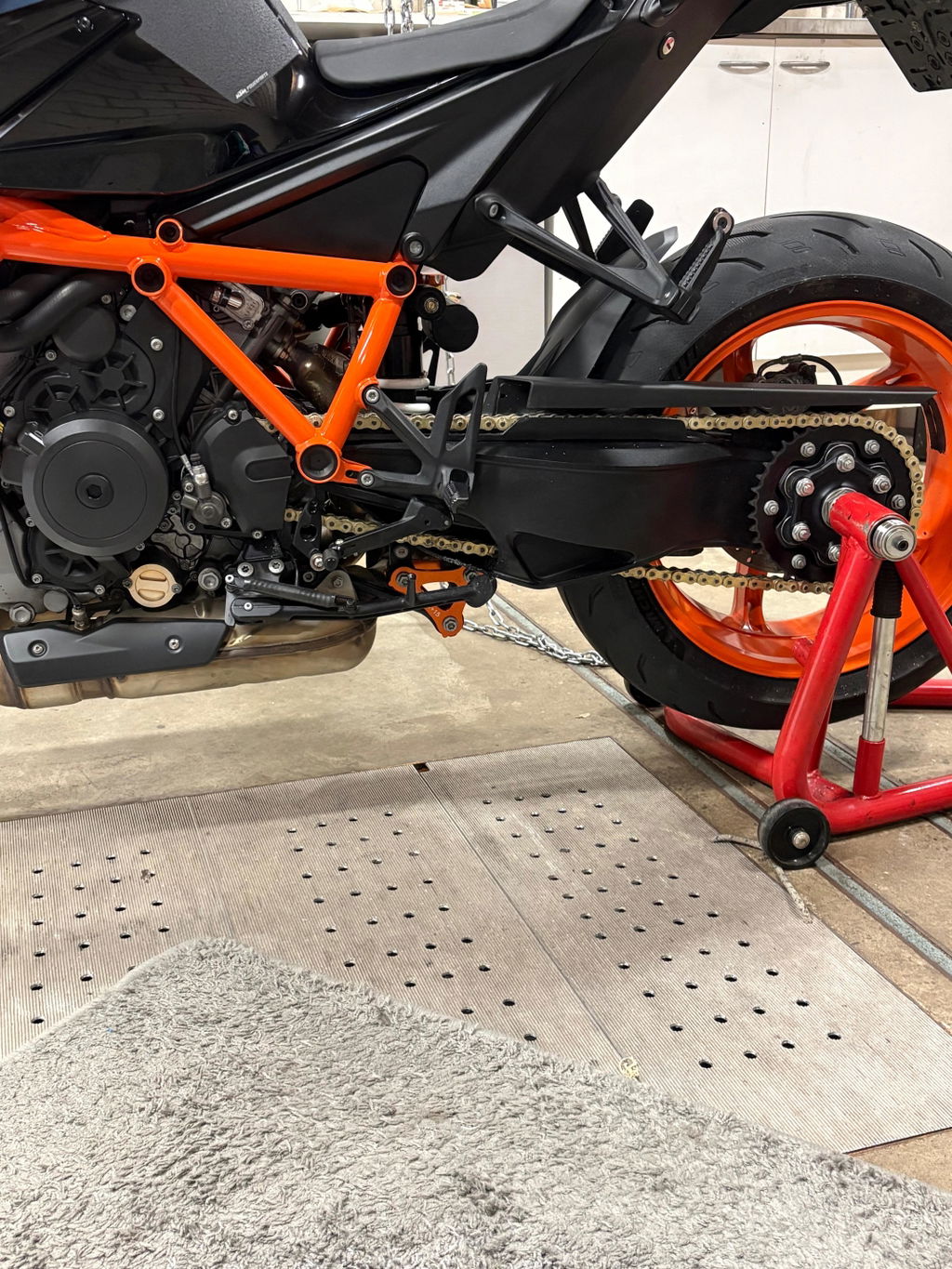
When swapping a chain and rear sprocket, a lot of riders assume they need to replace the front countershaft sprocket too. If you're keeping the same tooth count (like the OEM 17T) and it only has a few thousand miles on it, you almost certainly don't need to change it.
Front sprockets are made of steel and wear like iron. The test is simple: look at the shape of the link bottoms on the teeth. If they maintain a consistent "U" shape, you're fine. If they look warped, hooked, or inconsistent, it's time to replace it. Don't spend money you don't need to.
— Eric