
Beyond Ride Height: The Hidden Science of Superduke Linkages
Partager
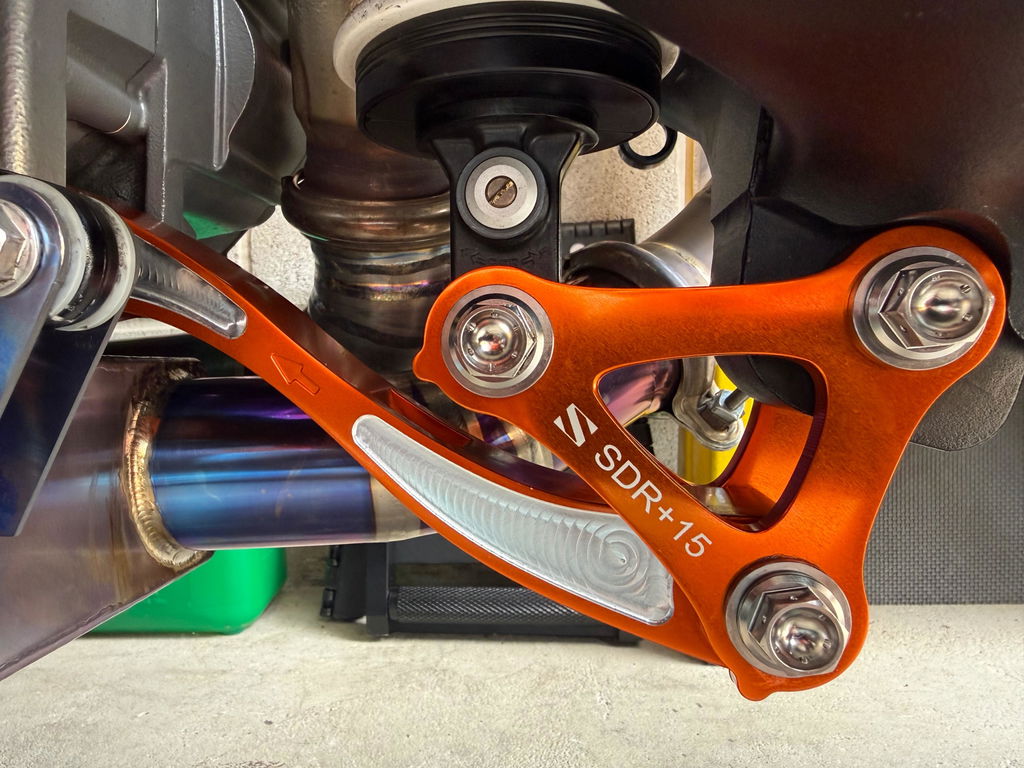
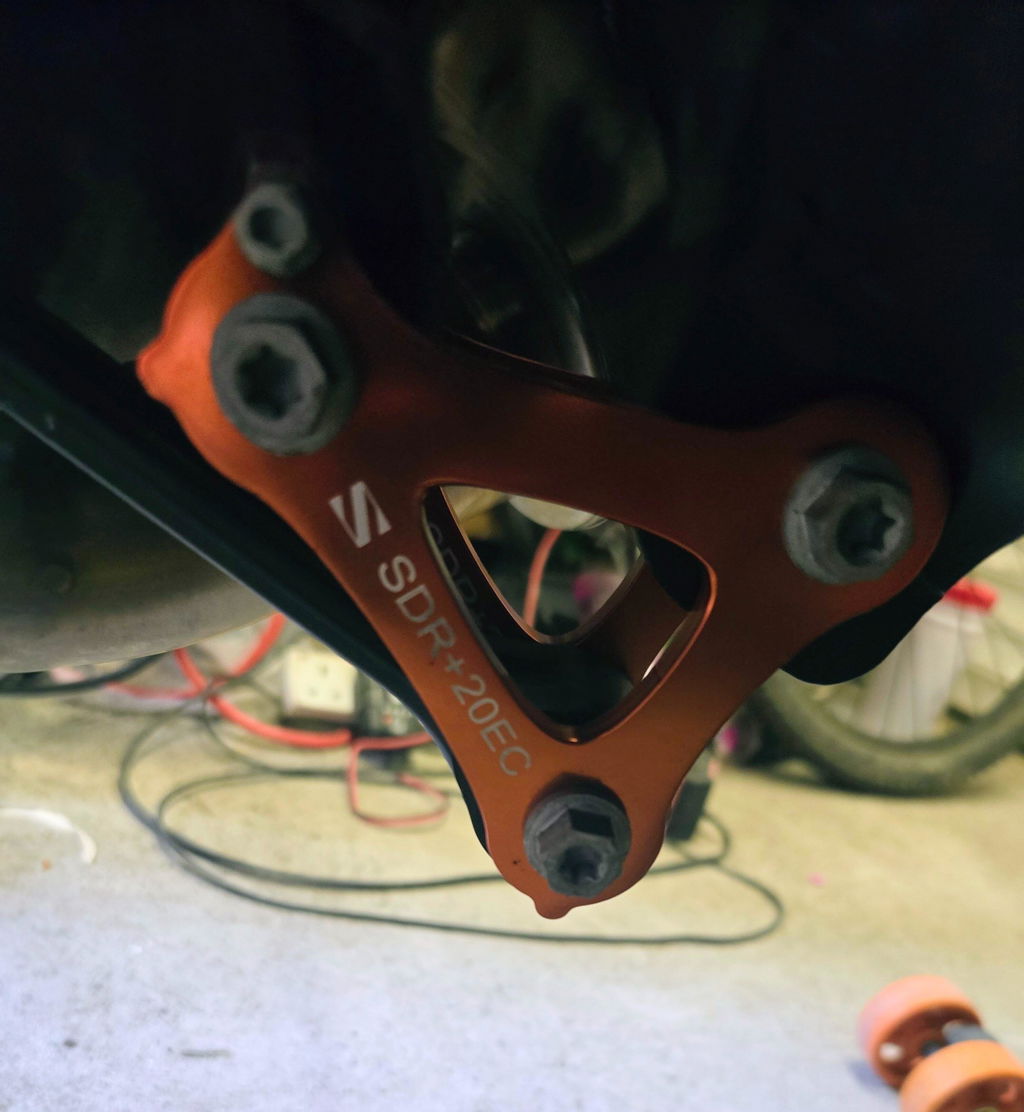
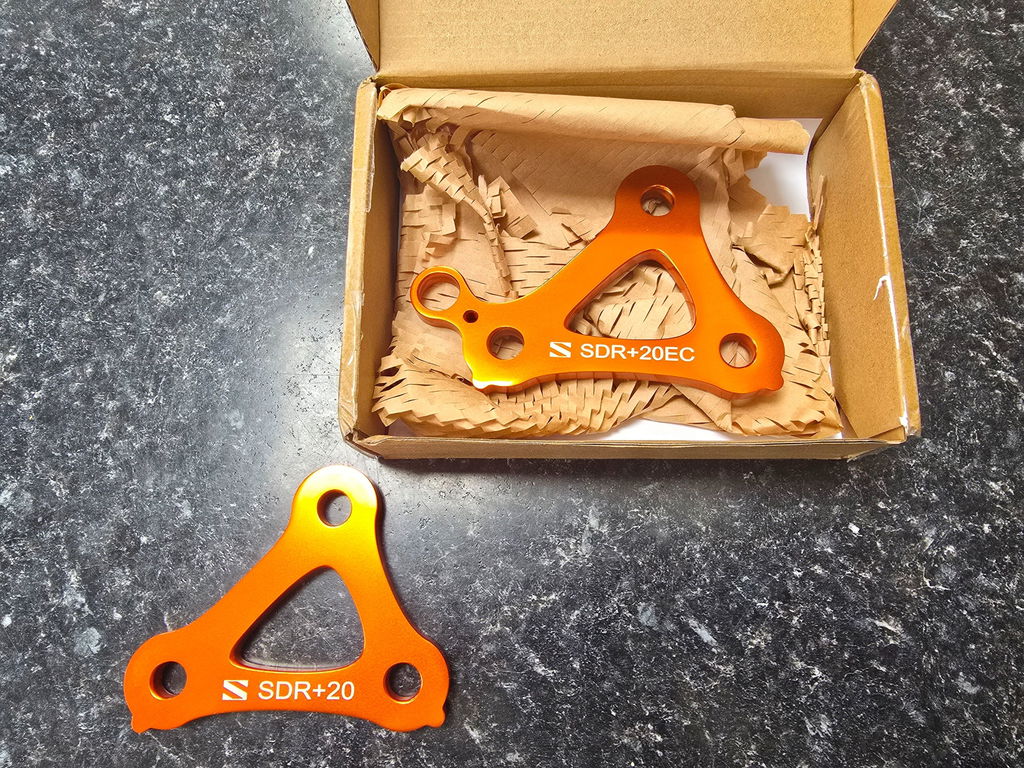
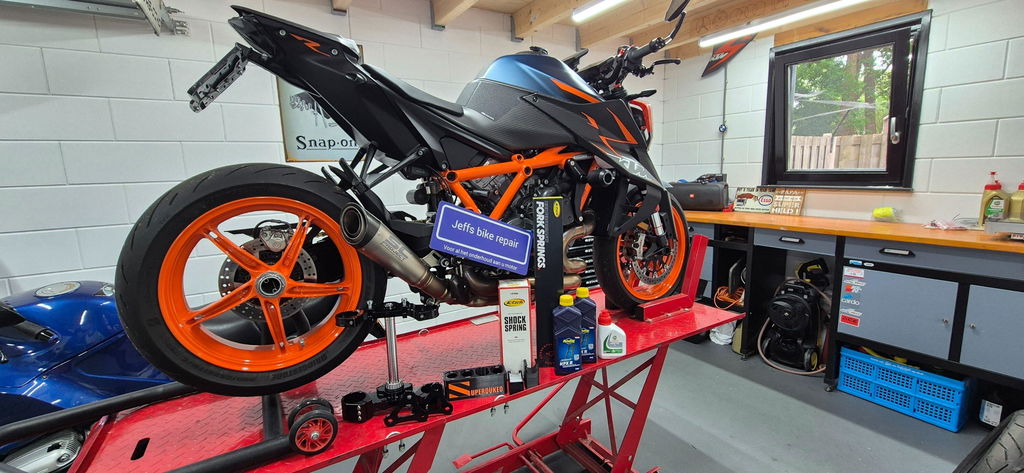
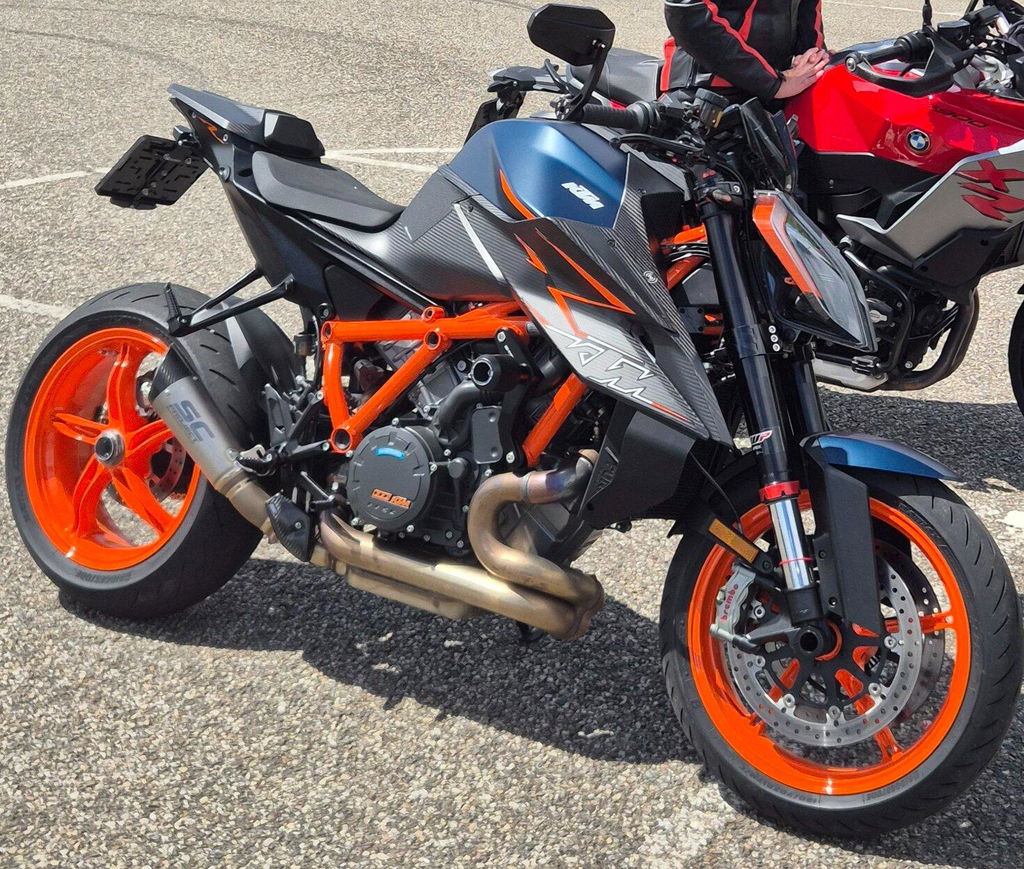
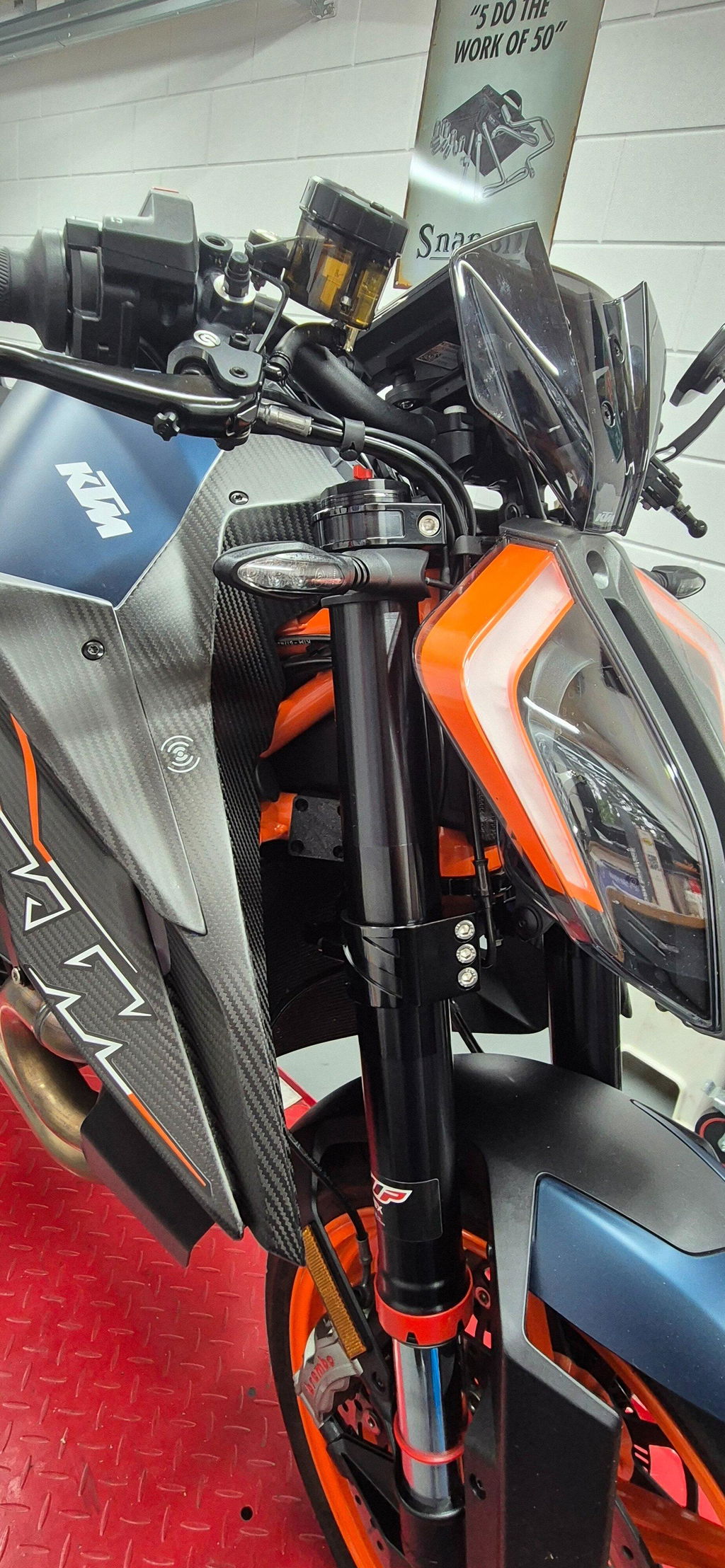
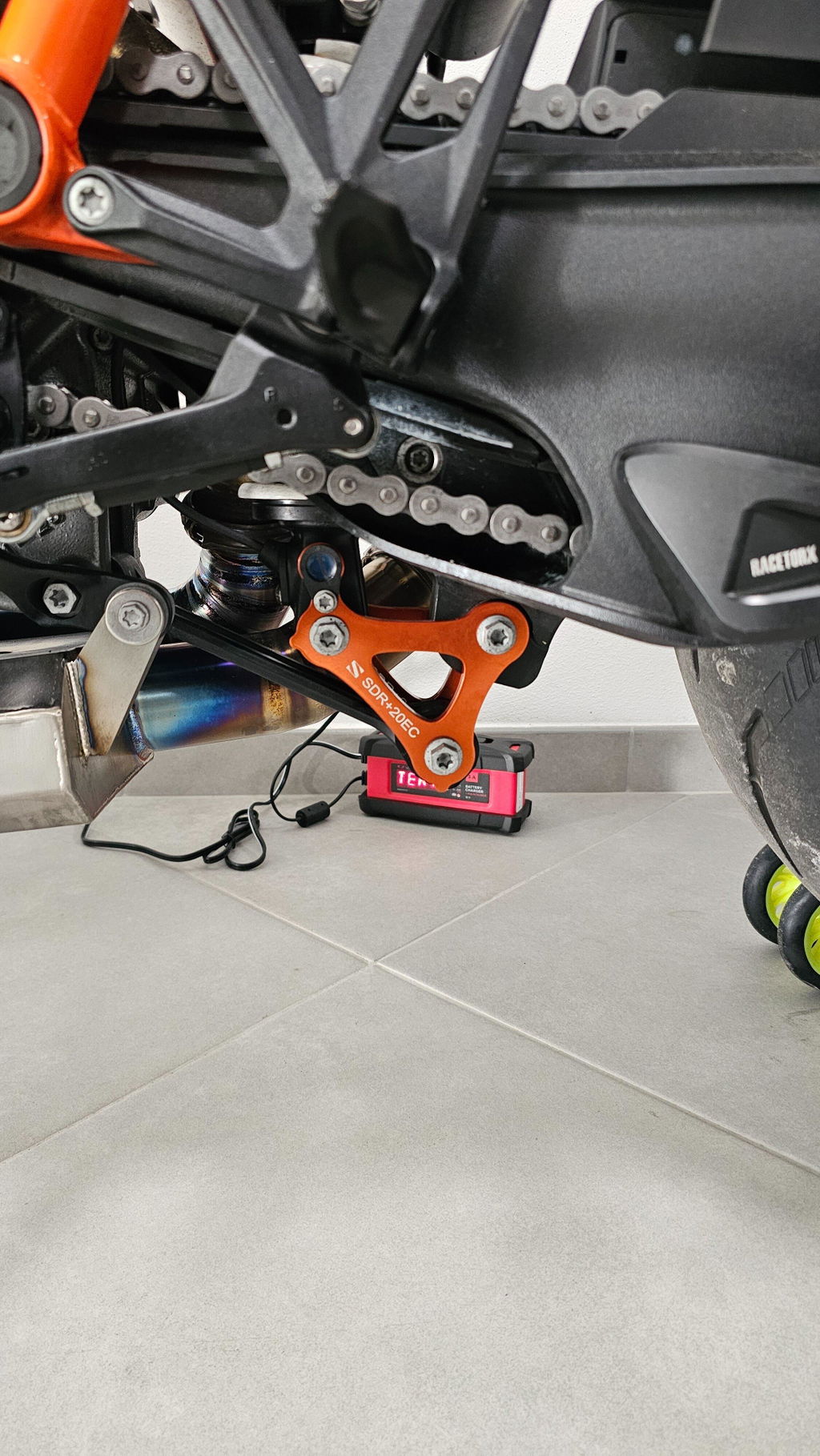
When riders want to improve the handling of their KTM Superduke, they often look at aftermarket suspension links purely as a way to increase ride height. But the science behind that triangular hunk of aluminum is far more fascinating. The three holes in a linkage each have primarily individual jobs — but they also heavily affect one another.
The Three Pivot Points Explained
Here is how the geometry works:
- Holes #1 and #2: The distance between these controls ride height.
- Holes #2 and #3: Change this distance and your shock’s rate changes — meaning the exact same spring will feel stiffer or softer.
- Holes #3 and #1: This distance affects the progression or regression throughout the stroke of the shock.
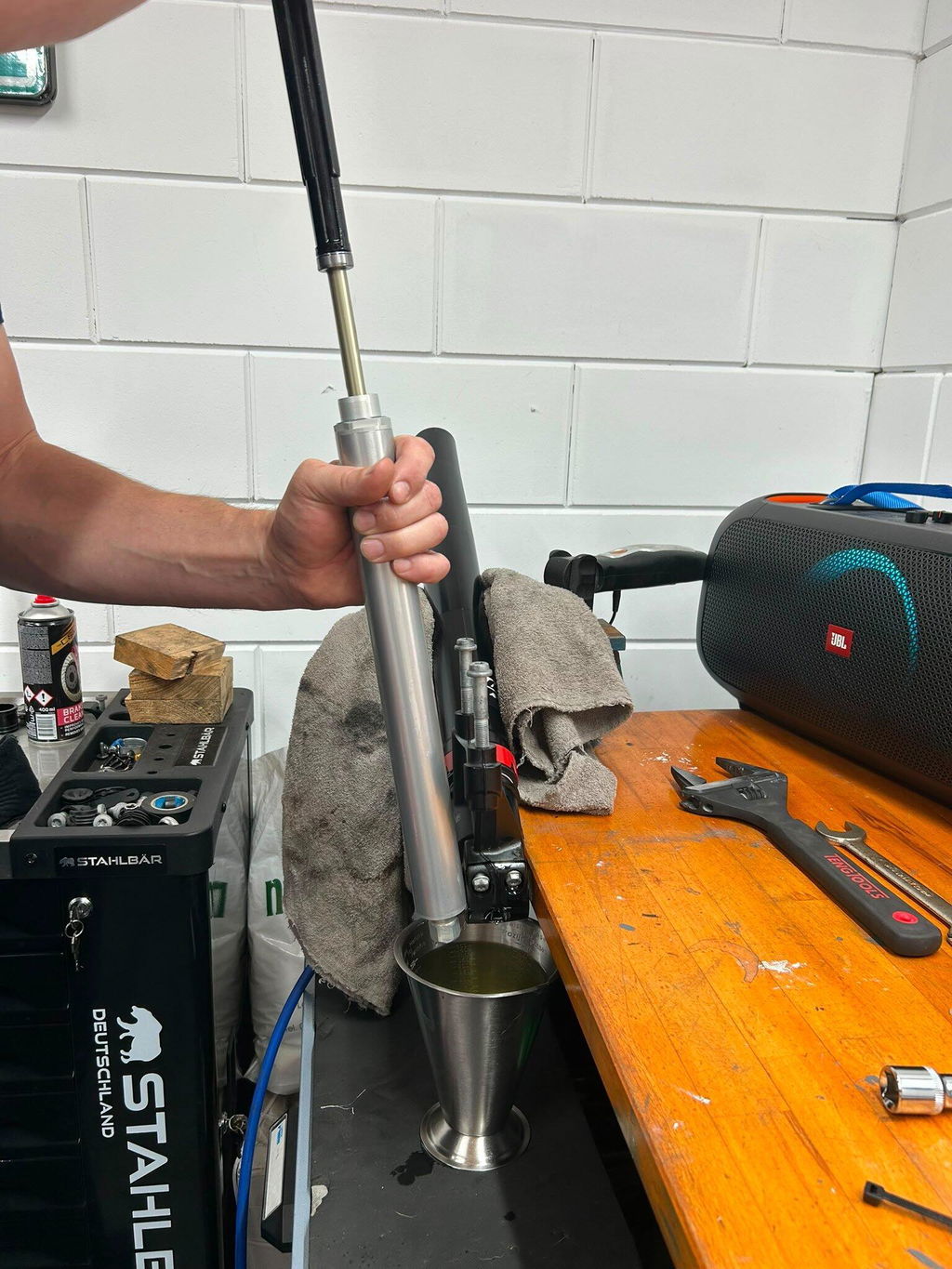
It’s an incredibly tricky design balance. Changing the distance between only two holes to increase height can unintentionally alter your progression or spring rate. We use World Superbike chassis development software to analyze these geometries, process physical mockups using Bambu Slicer for our 3D printed prototypes, and then race with the final CNC-machined aluminum versions for years before releasing them to the public.
Why KTM Designed the OEM Link the Way They Did
The OEM Gen3 link was designed with a massive amount of progression to accommodate an incredibly wide range of potential buyers. From a 95lb rider to a 300lb rider, the stock link has to sort of work for everyone — which means it works perfectly for almost no one.
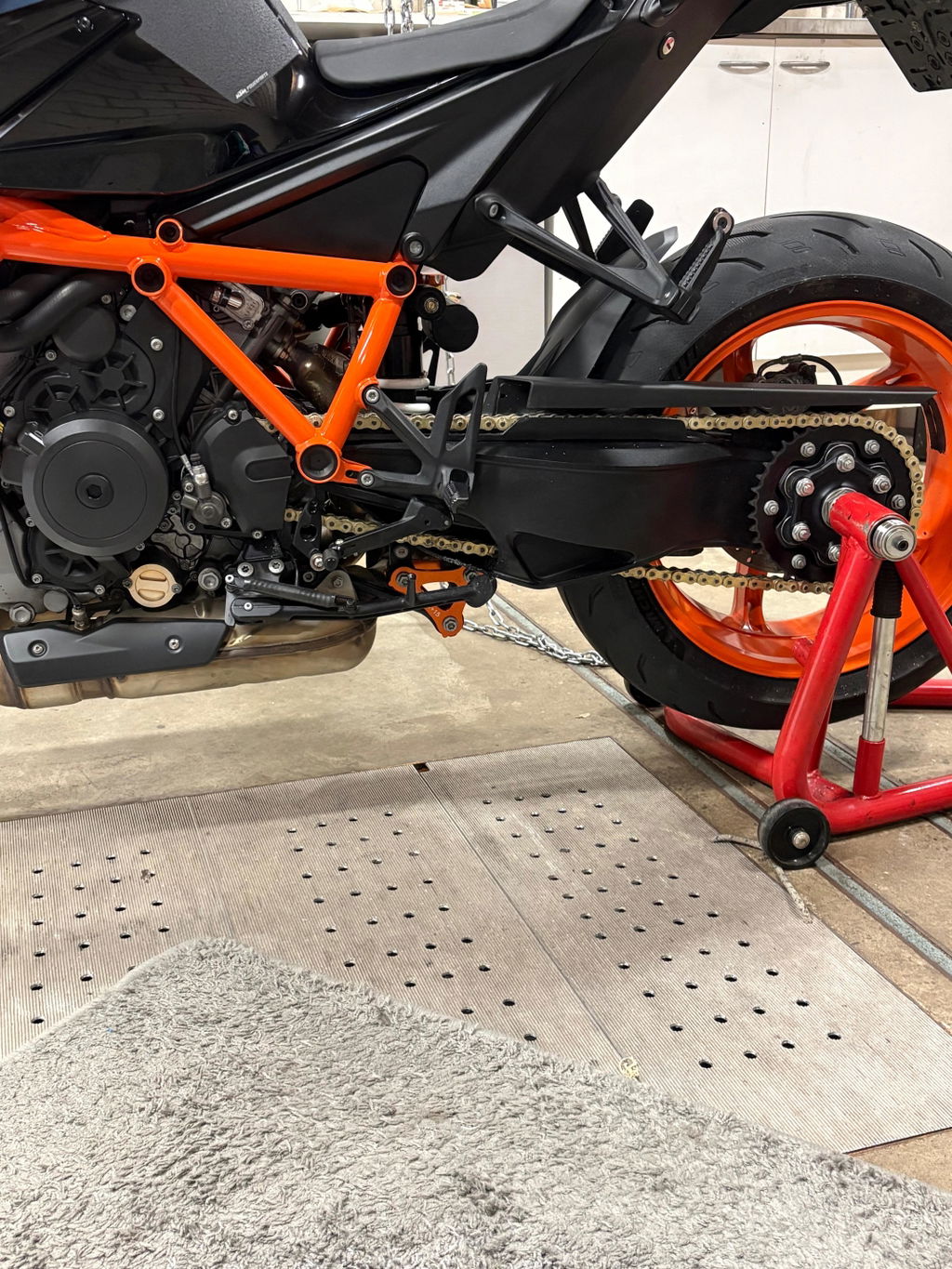
Our Sport Link +10 and Sport Link +15 not only increase rear ride height but also reduce some of that factory progression, allowing you to tailor the bike specifically for aggressive sport riding. Less compromise, more performance.
1 commentaire
Any knowledge if anyone have tryed suspensionlink +15 in Superduke 1290 GT eith semi active suspension. I really would like to try this out. Any experience. I kow people say it might mess up the calibration but is it really that accurate.
I’m trying to improve my track options of my Superduke 1290 GT Gen3 2022 track setup.
I bought the set from you allready :)